Sustainable Light: Energy-Efficient Skylight Solutions for Tasman Eco Homes
Across the Tasman region — from the orchards of Mapua to the ridgelines of Motueka — sustainability isn’t a trend; it’s a shared mindset. Homeowners here design with purpose: smaller footprints, smarter materials, and natural light used as a renewable asset.
Energy-efficient skylights fit perfectly within that vision, using modern glazing and insulation technologies to capture daylight without the heat. They make homes warmer in winter, cooler in summer, and more harmonious with Tasman’s natural environment.
Reflection: “True sustainability begins with light — how we invite it in and how gently we let it go.”
The Tasman advantage
Tasman enjoys one of New Zealand’s highest sunshine counts, making it an ideal environment for passive solar design. Skylights amplify that benefit by transforming daylight into usable warmth and visual comfort.
Why energy-efficient skylights thrive in Tasman:
- Long sunshine hours provide consistent daylight savings.
- Mild seasonal shifts simplify passive heating design.
- Eco-builders in areas like Ruby Bay and Upper Moutere use skylights to meet NZ Green Building standards.
Local insight: Coastal humidity and summer brightness mean glazing choice matters — most eco homes opt for Low-E glass with argon-filled cavities for optimal performance.
Light that performs intelligently
Modern skylights are designed not just to brighten spaces but to regulate comfort naturally. They combine solar reflection, insulation, and durability — balancing energy gains throughout the day.
Smart efficiency features:
- Double or triple glazing: Reduces heat loss and noise transfer.
- Thermally broken frames: Prevent unwanted heat bridging.
- Low-E coatings: Reflect infrared heat while transmitting visible light.
- Self-tinting or automated blinds: Adjust to sunlight intensity, reducing cooling loads.
Energy stat: Homes with properly insulated skylights can cut heating and lighting costs by up to 40% annually.
Analogy: A sustainable skylight is like a filter — capturing the good light while letting unwanted heat pass by.
Materials that mirror the environment
Sustainability also depends on longevity. Eco skylights in Tasman are built from recyclable, locally sourced, and weather-resilient materials to withstand coastal climates.
Eco-conscious materials:
- Aluminium frames: Recyclable and lightweight, with minimal thermal expansion.
- Timber-clad interiors: FSC-certified and naturally insulating.
- Tempered safety glass: Extends lifespan and withstands UV exposure.
Sustainability note: Tasman builders often choose modular skylight systems to reduce waste during construction and simplify end-of-life recycling.
Integrating skylights into eco architecture
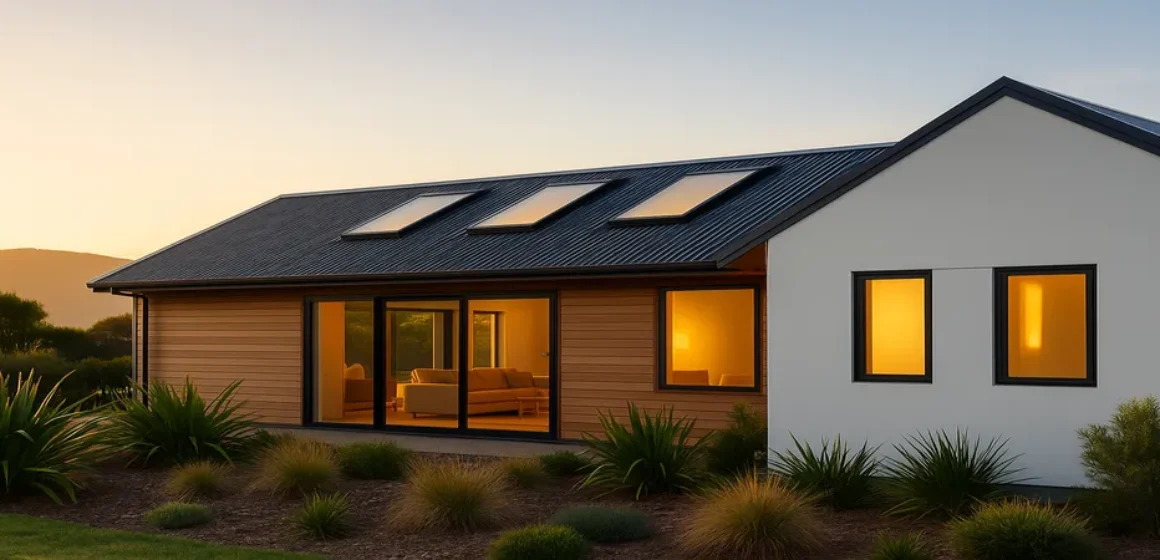
Energy-efficient skylights fit naturally into the architectural rhythm of Tasman homes — from timber-clad cottages to modern passive solar builds.
Design strategies:
- Position skylights on the north-facing roof plane for balanced light year-round.
- Use angled shafts to diffuse sunlight deeper into interiors.
- Pair with vented skylights for summer cooling and humidity control.
Installer insight: Eco-conscious designers in Tasman often integrate skylights with solar arrays and smart home systems to track daylight energy savings over time.
Design reflection: “Sustainability is invisible when done right — light simply feels right.”
Final thoughts
Sustainable skylights redefine how Tasman homes use light — not as decoration, but as design intelligence. They create comfort, conserve energy, and reflect a deeper respect for place and purpose.
Discover energy-efficient skylight options for Tasman eco homes and let your home shine with conscious design.
FAQs
Do energy-efficient skylights really save power?
Yes. They reduce lighting use during the day and minimise heating or cooling needs year-round.
What glazing type is best for Tasman’s climate?
Low-E, double-glazed skylights with argon gas insulation perform best for light control and energy balance.
Can energy-efficient skylights be installed in older homes?
Absolutely. Retrofit models can upgrade older roofs without structural changes.
Do these skylights require much maintenance?
Minimal — periodic cleaning and seal checks keep them efficient for decades.
Are skylights compatible with solar systems?
Yes. Many energy-efficient skylights integrate seamlessly with solar panels and smart home energy networks.