Weather-Resilient Skylight Options for Papakura’s Rainy Winters and Sunny Summers
From misty winter mornings to sun-scorched summer afternoons, Papakura homes see it all. And if you’re thinking about installing a skylight, not just any model will do.
To perform well in Auckland’s varied climate, skylights need to be built for:
- Sudden downpours
- High humidity
- Intense summer UV
- Heat retention during cooler months
This article explores the best weather-resilient skylight materials and designs—so your home stays bright, dry, and comfortable all year round.
Challenge 1: Heavy Rain & Leaks
Papakura’s winters often bring persistent rainfall, and leaky skylights are a common fear for homeowners.
What to Look For:
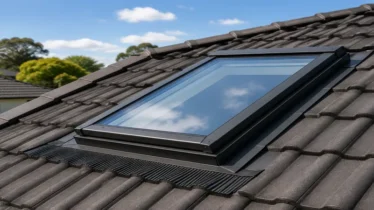
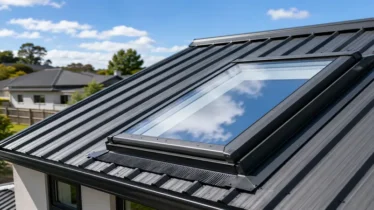
- High-quality flashing systems that are roof-type specific (tile, metal, flat)
- Curb-mounted or deck-mounted skylights with tight weather seals
- Pre-fabricated skylight kits tested for NZ’s weather standards
Flashings and seals do the heavy lifting in wet conditions—cut corners here, and you risk internal damage.
Learn more about leak-resistant skylight installations
Challenge 2: Keeping the Cold Out in Winter
Older skylights or poor-quality models can become thermal weak points, leaking warm air and causing condensation.
Weather-Resilient Solution:
- Double-glazing: Two layers of glass with a sealed air or gas-filled cavity
- Thermally broken frames: Reduce heat transfer at the edges
- Sealed units: Prevent interior fogging and condensation build-up
Ideal for: Homes in Red Hill, Conifer Grove or other older Papakura suburbs with limited ceiling insulation.
Challenge 3: UV and Overheating in Summer
Auckland summers are getting hotter, and Papakura’s north-west facing homes bear the brunt. The wrong skylight can turn your living room into a greenhouse.
Weather-Resilient Solution:
- Low-E (Low Emissivity) glass: Reflects infrared and UV rays while allowing daylight
- Tinted or laminated glass options: Reduce solar gain and glare
- Optional blinds or diffusers: Offer additional summer control
Low-E glass keeps your space cooler in summer and warmer in winter. It’s like insulation—only invisible.
What is Low-E glass? Read the plain-English explainer
Challenge 4: Wind, Coastal Air & Material Lifespan
Papakura is near the coast, and in areas like Karaka Harbourside, salt air and strong winds are common. That’s a recipe for corrosion—unless your skylight is designed for it.
Weather-Resilient Solution:
- Coastal-rated aluminium frames with powder coating
- Stainless steel hardware to avoid rusting
- UV-stabilised dome materials on tubular skylights
Perfect for: Homes close to the coast, lifestyle blocks, or exposed ridge-line builds.
What Questions to Ask Your Installer
Before committing to any skylight, ask:
- “Is this model tested for high rainfall and wind zones?”
- “What is the U-value and SHGC for this skylight?”
- “Is the flashing system custom-fit to my roof type?”
- “Will this glass protect against UV fading of flooring or furniture?”
Full checklist: What to Ask Your Installer
Final Thoughts: Built for Weather, Built to Last
Skylights can transform a home—but only when they’re built to perform as well as they look.
With Papakura’s unique mix of climate extremes, choosing the right glass, seal, and frame makes all the difference in comfort, durability, and peace of mind.
Ready to explore weather-resilient skylight options?
Let us connect you with trusted local installers who understand what your Papakura home needs—based on climate, materials, and your living style.