Winter Light, Summer Cool: Why Papakura’s Weather Makes Sun Tubes a Smart Investment
From the misty winter mornings of Drury to the hot, sun-drenched afternoons in Karaka, Papakura’s local climate presents a unique challenge for homeowners: how to bring more natural light inside—without making homes uncomfortably warm in summer.
That’s where sun tubes shine. Literally.
These sleek, energy-efficient lighting solutions are becoming increasingly popular across South Auckland, and for good reason. Let’s explore why Papakura’s weather patterns make sun tubes such a smart, climate-adapted choice for modern living.
1. Papakura’s Seasonal Light Struggles
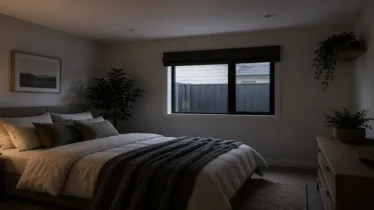
While Auckland overall enjoys generous sunshine hours, Papakura’s winter months often bring cloud cover, shorter days, and dim indoor lighting—especially in homes with deep eaves, narrow layouts, or south-facing rooms.
Sun tubes provide a low-profile solution to:
- Combat seasonal gloom
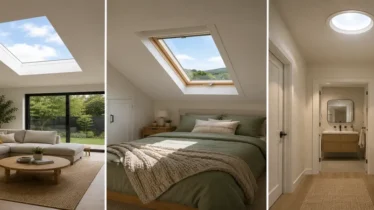
- Brighten internal bathrooms, hallways, or laundries
- Maintain a warm, inviting feel—without turning on lights during the day
Explore how sun tubes work in light-limited rooms
2. But What About Summer? Avoiding the Greenhouse Effect
A common concern homeowners have is whether bringing sunlight into the home during summer months will cause excess heat. It’s a valid question—especially in Papakura, where summer highs regularly push into the upper 20s°C and direct sunlight can turn a room into a sauna.
The good news? Sun tubes are designed differently from traditional skylights.
Understanding SHGC in Plain English
SHGC stands for Solar Heat Gain Coefficient—but don’t let the term scare you off.
Here’s the simple version:
SHGC tells you how much heat from sunlight passes through a window or sun tube.
The lower the SHGC, the less heat gets in. The higher it is, the more heat enters your space.
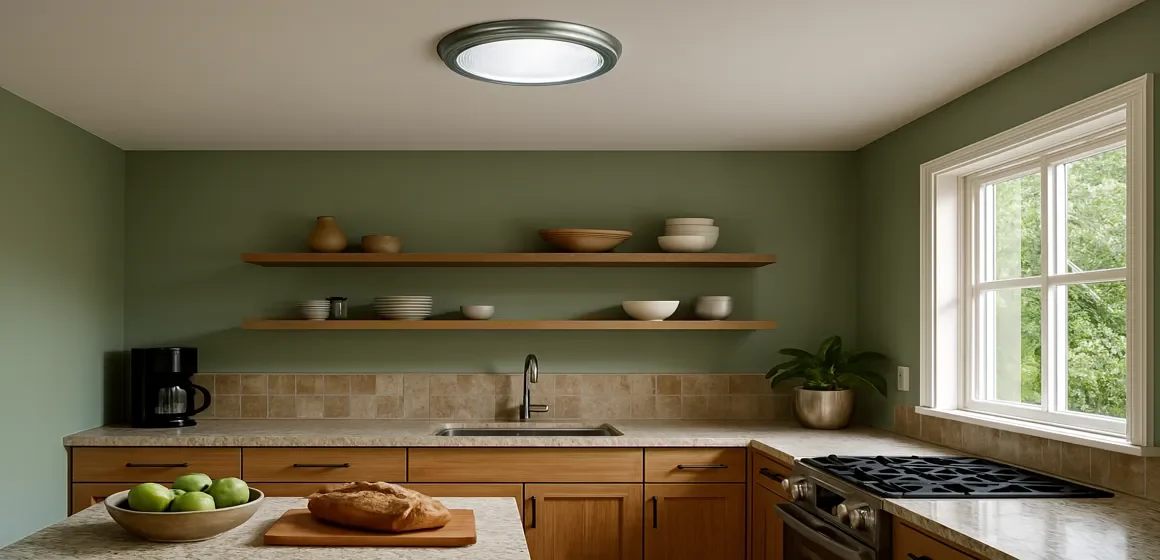
Most modern sun tubes have a low SHGC rating, meaning they deliver light without the heat. It’s like getting the glow of sunshine, without the sweaty downside.
Think of it as sunscreen for your ceiling: you still get the benefits of sunlight—but filtered, softened, and controlled.
Learn more about SHGC and energy-smart daylighting
3. Why It Works So Well in Papakura
Homes in Papakura often feature:
- Mixed roofing materials (metal, tile, flat)
- Deep eaves or compact floorplans
- Internal rooms without windows (common in subdivisions like Hingaia and Addison)
Sun tubes fit neatly into these designs because:
- They require minimal roof space
- Installation is non-intrusive and typically faster than traditional skylights
- Light is diffused, not direct—perfect for high-glare summer conditions
And because heat doesn’t build up inside the shaft, homeowners enjoy year-round comfort without compromising light levels.
4. Better Lighting, Lower Power Bills
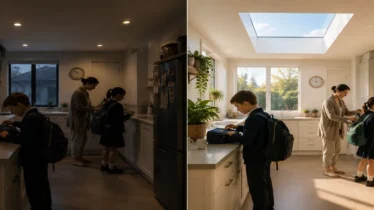
During winter, many Papakura homeowners rely heavily on artificial lighting—especially in early mornings and late afternoons. Sun tubes cut this need significantly by capturing ambient daylight and channelling it indoors.
Results include:
- Less need for lights in the morning/evening
- Reduced energy costs during darker months
- More consistent interior brightness throughout the day
How sun tubes improve energy efficiency
5. Practical Use Cases from Papakura Homes
While every home is different, installers commonly recommend sun tubes for:
- Internal bathrooms without windows (where privacy is also key)
- Dark hallways or stairwells in narrow homes
- Pantries or wardrobes where ceiling lighting isn’t ideal
- Garage workshops where daytime light makes all the difference
In new builds around Karaka Lakes and Drury South Crossing, sun tubes are being included at the design stage—not just as afterthoughts.
Final Thoughts: Designed for the Weather You Live In
Papakura’s weather may swing between moody and bright, but your home doesn’t have to follow suit.
Sun tubes offer a smart, subtle way to bring in natural light where it’s needed most—without the overheating, glare, or energy waste. They’re more than just a design choice—they’re a reflection of how homes in South Auckland are evolving to meet the needs of modern life.
Looking to brighten your space—without heating it up?
Let us connect you with a trusted local installer who understands Papakura’s climate, roof types, and design styles.