H1 energy efficiency and skylights: what NZ homeowners should know in 2026
If you are thinking about a skylight this year, you will hear one term more than any other: H1.
It shows up in conversations with designers, builders, and councils. It often gets described as “insulation rules”, which is only half the story.
For homeowners, H1 matters because it shapes how a new build or major renovation manages warmth, comfort, and energy use. And skylights sit right at the centre of that conversation because they are part of the thermal envelope.
This guide explains what H1 means in plain English, what it tends to change about skylight choices, and how to make decisions that protect comfort without losing the natural light you actually want.
H1 in plain English
H1 is the energy efficiency clause of the New Zealand Building Code.
At a practical level, it asks a simple question:
Will the building hold warmth in winter and avoid unnecessary heat build-up in summer, without wasting energy?
That is why H1 focuses on the “thermal envelope”, which includes:
- roof and ceiling insulation
- walls and floors
- windows and doors
- skylights and roof windows
A skylight is essentially a roof-level window. So, it is treated like glazing within that envelope.
Why skylights are often misunderstood under H1
Homeowners sometimes worry that H1 “makes skylights harder”.
In reality, H1 does not exist to stop daylight. It exists to ensure daylight features do not undermine comfort.
When people run into issues, it is usually because the skylight was chosen for one goal (more light) without considering the other two goals that come with roof glazing:
- thermal performance (how it behaves in winter)
- solar behaviour (how it behaves in summer)
The best skylights are not just bright. They are comfortable.
The three skylight choices that influence energy efficiency most
If you only remember one section of this article, remember this one.
1) Glazing performance (the skylight’s “insulating ability”)
Think of glazing like a warm jacket.
- A thin jacket lets warmth escape.
- A better jacket slows that loss.
Skylight glazing works similarly. Better-performing glazing generally helps with:
- reducing unwanted heat loss in colder months
- improving the overall comfort of the room below
If you are comparing options, do not focus only on size or brand. Ask about the glazing performance and what it is designed to do in NZ conditions.
2) Solar control (how it handles strong sun)
Energy efficiency is not only winter performance.
In many parts of New Zealand, late-summer sun can be intense, especially through roof glazing.
A skylight that feels perfect in winter can become uncomfortable in February if it:
- admits strong direct sun during peak hours
- creates glare or heat build-up in living areas
This is where specification and controls matter. Some rooms benefit from even, diffused light rather than direct sun.
3) Ventilation strategy (where warm air goes)
Warm air rises. In rooms with skylights, warm air naturally collects near the ceiling.
If the room has limited airflow, heat can linger.
That is why vented skylights can support comfort and energy use in the right places. They provide a high-level release point, which can reduce the need to “fight the room” with fans or air conditioning.
Vented skylights are not required for H1. But they can be a smart comfort choice where airflow is part of the problem.
What homeowners should ask when H1 is mentioned
You do not need to become a compliance expert. You only need to ask better questions.
Here are the questions that keep decisions practical:
- Is this skylight designed for comfort in both winter and summer?
- What glazing specification is being proposed, and why?
- Will this room need glare or heat control at certain times of day?
- Does the room have a realistic ventilation pathway, especially in summer?
- If this is a replacement, is the existing opening size driving the decision, or is comfort driving it?
When you ask these questions, you avoid the most common regret: a skylight that looks good, but feels wrong.
New builds vs existing homes: the difference in how H1 shows up
New builds and major renovations
In new builds, H1 is part of the building consent process, and glazing performance is assessed as part of the overall thermal design.
This usually means skylights need to be selected with performance in mind from the beginning, alongside the home’s other glazing.
Existing homes (retrofits and replacements)
In many existing homes, skylight upgrades are driven by real-life needs:
- an old unit is leaking
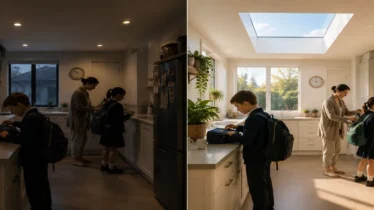
- the bathroom is dark
- the hallway needs daylight
Even when a consent is not involved, it is still worth choosing a skylight that improves comfort rather than creating new temperature swings.
In other words, “H1 thinking” is useful even when H1 compliance is not the driver.
The comfort-first shortlist: which skylight type suits which energy goal
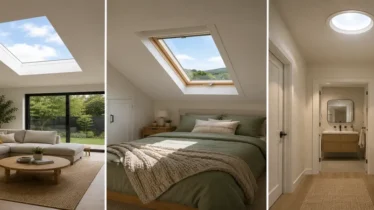
Tubular skylights
A strong option for:
- hallways, corridors, pantries, and smaller bathrooms
- delivering light without large areas of roof glazing
They often provide very usable daylight with a smaller footprint.
Fixed skylights
A strong option for:
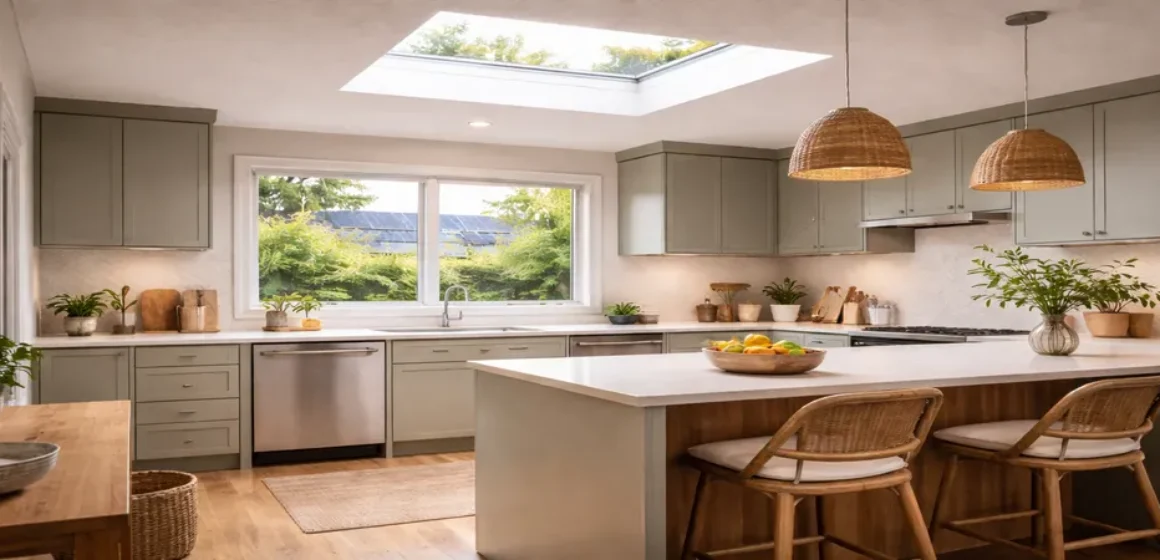
- living spaces and kitchens where you want a wider daylight feel
Comfort depends heavily on glazing choice and how direct sun interacts with the room.
Vented skylights
A strong option for:
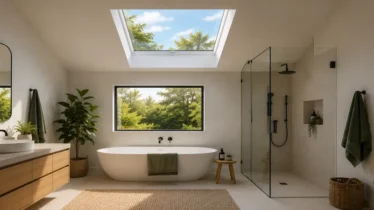
- bathrooms and ensuites with lingering humidity
- stairwells and upper levels where warm air pools
They can improve how a space clears heat and moisture, which supports overall comfort.
Illustrative example only: one regional scenario
A homeowner in Queenstown planned a renovation that included a skylight for a dark stair landing. Their main worry was winter comfort.
The solution was not “skip the skylight”. It was to choose a comfort-led specification and placement that:
- delivered daylight where the space was darkest
- supported better thermal performance in colder months
- avoided the harsh, direct-sun hotspot that can occur in certain roof directions
The outcome was a stairwell that felt brighter in winter without becoming a source of temperature swings.
A calm next step if you want daylight that still feels efficient
H1 has pushed the industry in a useful direction: skylights should improve how a home feels, not compromise it.
If you are building, renovating, or replacing an older skylight and want guidance that balances daylight, comfort, and energy efficiency, share a few details about your roof and the room below. We can recommend the right skylight type and specification for your goals.
Start here: https://inquiry.skylights.co.nz/inquiry