Skylights in Auckland rentals: what upgrades are worth it before winter, and what to avoid
Auckland rentals have a familiar winter personality. The same home can feel fine on a clear day, then suddenly damp when the weather turns. A bathroom that never quite dries. A hallway that feels like a tunnel. A living room that looks bright near the window but gloomy two metres in.
If you own a rental in Greater Auckland, winter comfort upgrades are rarely about luxury. They are about reliability: a home that dries out better, feels healthier, and is easier for tenants to live in day-to-day.
Skylights can absolutely be part of that, but rentals have different rules than owner-occupied homes. You want improvements that are:
- low maintenance
- durable
- predictable in outcome
- sensible in cost versus value
This guide breaks it down into what is usually worth doing before winter, what is “maybe”, and what to avoid.
The Auckland rental reality: why winter feels tougher than the thermometer
Auckland winter often brings damp, not deep cold. That matters because damp shows up as:
- slower drying towels and surfaces
- lingering condensation in bathrooms
- mould risk in corners and behind furniture
- rooms that feel heavy, even when heated
Many rentals also share a few layout themes:
- internal bathrooms without good daylight
- central corridors with no windows
- smaller kitchens where cooking moisture has nowhere to go
- older stock with less effective airflow paths
Skylights do not “remove moisture” on their own, but they can improve how a home feels and behaves by bringing in overhead daylight and supporting more usable, everyday ventilation choices in the right spaces.
A rental-first way to decide: the “return on dryness” score
Before choosing a skylight, score each target area out of 10 for how much it affects daily living:
- Bathroom: 9/10 (humidity, drying, mould risk, daily use)
- Hallway: 7/10 (darkness, feel of the entire home)
- Kitchen: 7/10 (moisture events, usability, comfort)
- Living area: 6/10 (comfort and appeal, depends on layout)
- Bedroom: 4/10 (often not the highest-return zone in rentals)
In rentals, the best upgrades usually start with bathrooms and hallways, because they change the experience of the whole home without overcomplicating things.
Worth it in most Auckland rentals (high return, low drama)
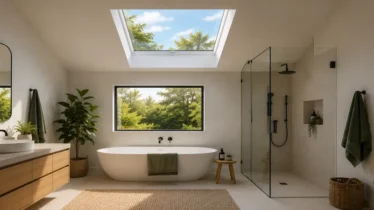
1) Tubular skylight for an internal bathroom
If you have a bathroom that stays dim and damp, overhead daylight is one of the most noticeable quality-of-life improvements.
Why it is rental-friendly:
- minimal disruption compared with major renovations
- typically low maintenance
- strong impact on perceived cleanliness and comfort
Important note: it does not replace extraction. Bathrooms still need proper moisture management, but a brighter bathroom is often used better by tenants, and it feels less like a damp box.
Explore skylight types in plain terms here:
https://www.skylights.co.nz/types-of-skylights/
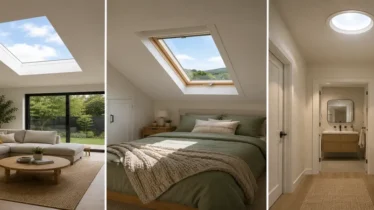
2) Hallway skylight for the “always lights on” corridor
In many Auckland floorplans, the hallway is the centre spine that makes the house feel closed if it is dark. This is especially common in older villas, units, and long central corridors.
Rental-friendly benefits:
- reduces daytime light switching
- makes the home feel larger and more welcoming
- improves the “first impression” when tenants enter the home
Auckland context matters here because diffuse daylight can still provide consistent overhead light without harsh glare.
For Auckland service context:
https://www.skylights.co.nz/skylights-auckland/
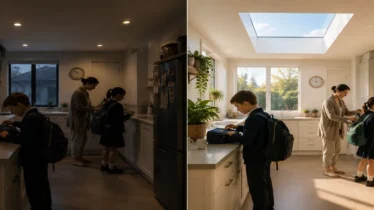
3) A simple daylight upgrade for kitchens with a dull work zone
This is not about chasing “wow”. It is about making the cooking zone feel usable without harsh artificial lighting, especially on grey days.
A skylight can help when:
- the kitchen is central
- the work zone sits away from windows
- the room feels heavy after cooking due to a combination of moisture and poor light balance
For rentals, keep it sensible: predictable light and durable detailing matter more than dramatic architectural statements.
“Maybe” upgrades (can be great, but only if the conditions fit)
1) Opening skylight for ventilation in the right space
An opening skylight can help when stale, warm, moist air needs a high-level exit point. In rentals, it can be valuable in:
- bathrooms with persistent lingering humidity (paired with good extraction)
- stairwells or upper-level circulation zones where heat and moisture collect
But it is “maybe” because rentals add complexity:
- tenants need clear, simple instructions for use
- you need confidence it will be operated safely
- the home still needs an airflow path (inlet and outlet) to benefit properly
If you do go opening, keep the decision comfort-led, not feature-led.
2) Living room skylight in a darker, central lounge
This can be a strong upgrade in narrow-site homes and some townhouses where side light is limited. It is less compelling when the lounge already has good daylight and the real problems are moisture or heating.
In rentals, it only makes sense when it solves a real usability issue, not just aesthetic appeal.
What to avoid in Auckland rentals (common mistakes that create headaches)
1) Oversizing “because brighter is better”
Too much overhead light in the wrong place can create:
- uncomfortable bright patches
- glare on screens
- uneven light that makes the room feel harsher
In rentals, predictable comfort beats dramatic brightness.
2) Placing skylights directly over high-risk zones
Avoid creating repeated sun patches on:
- timber floors (if present)
- premium rugs (tenants often add their own)
- sofa zones where glare is more annoying than helpful
A good skylight plan improves the room without spotlighting one area.
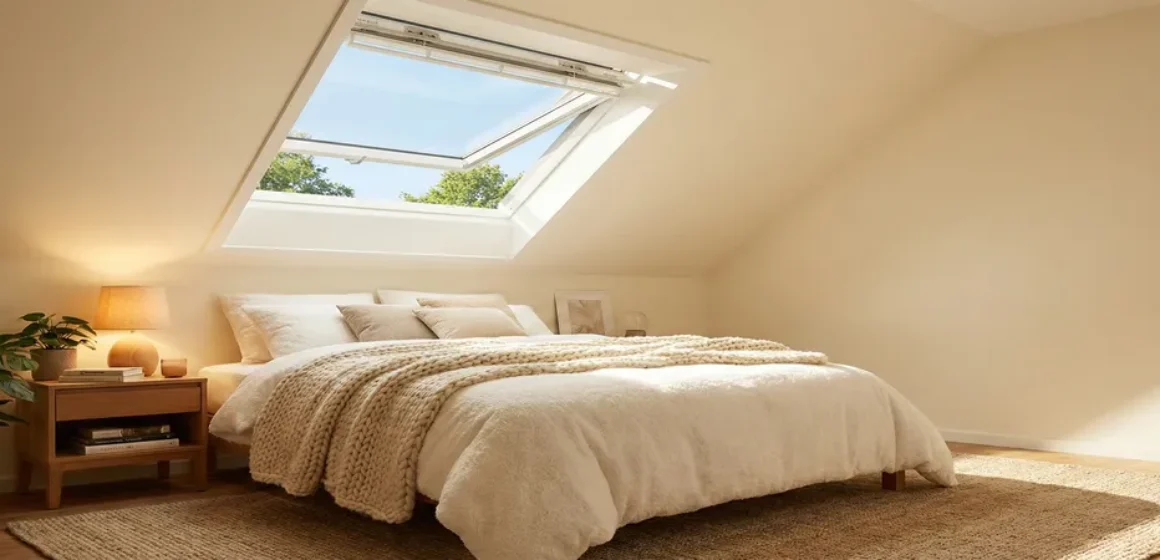
3) Bedroom skylights as a first priority
Bedrooms can be a lower-return zone for rentals, and they introduce extra considerations:
- rain noise sensitivity for light sleepers
- tenant preferences vary widely
- it can feel more intrusive than helpful if not planned carefully
If budget is limited, start with bathroom and hallway first.
4) Treating skylights as a substitute for ventilation and extraction
If a bathroom fan is weak or a kitchen rangehood does not extract properly, skylights will not fix the core issue. Skylights support comfort and usability. Fans remove moisture.
5) Cutting corners on roof detailing and fixings
Auckland weather can be forgiving until it is not. Wind-driven rain and seasonal shifts punish poor detailing. In rentals, reliability is everything. An avoidable leak is not an “oops”. It is a tenancy problem.
Illustrative Example Only: the rental that stopped feeling “permanently dim”
A landlord upgraded a central corridor and an internal bathroom in a typical Auckland layout where tenants always used lights during the day. The goal was not luxury, just a home that felt more liveable through winter.
The feedback that mattered most was simple:
“It feels cleaner and less closed-in, even on grey days.”
That is the outcome to chase in rental upgrades. Practical comfort that tenants notice immediately.
A simple pre-winter decision checklist for landlords
Use this to keep choices grounded:
- Which rooms feel damp or dim most often in winter?
- Do tenants rely on lights during the day in hallways or bathrooms?
- Is there an internal bathroom with limited daylight?
- Does the kitchen work zone feel dull even at midday?
- Are you solving usability and dryness, not just adding features?
- Will the chosen option be low maintenance and tenant-proof?
If you want a recommendation tailored to your roof type, rental layout, and Auckland exposure, start here:
https://inquiry.skylights.co.nz/inquiry
FAQs (unique to this topic)
Are skylights a good investment for Auckland rentals?
They can be, especially in internal bathrooms and dark hallways where they improve daily usability and the feel of the home. The best return usually comes from solving real comfort problems.
What is the best skylight type for a rental bathroom?
Often a tubular skylight for internal bathrooms, because it delivers reliable overhead light with minimal fuss. The best fit still depends on roof type and ceiling conditions.
Do skylights reduce mould in rentals?
Skylights do not remove moisture, so they are not a standalone mould solution. Mould risk reduces when moisture is managed with effective extraction, airflow, and a home that dries and ventilates properly.
Should landlords choose opening skylights for ventilation?
Sometimes. Opening skylights can help release warm, moist air, but they work best when the home has a clear airflow path and the system is easy and safe for tenants to operate.
What is the biggest mistake landlords make with skylights?
Installing something too large or poorly placed, so it creates glare or bright patches, or treating skylights as a substitute for proper extraction and ventilation.