Skylight consent and compliance in NZ: what homeowners should know before booking
A skylight can feel like a simple home improvement from inside the room.
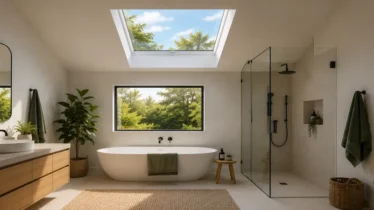
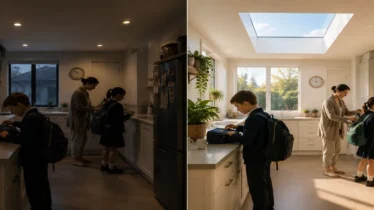
A dark hallway becomes easier to move through. A bathroom feels less closed in. A kitchen starts the day with natural light instead of ceiling lights. The finished result may look clean and effortless.
But from a building perspective, a skylight is not just an interior feature. It is work connected to the roof, ceiling, weatherproofing, structure, glazing and sometimes ventilation. That is why homeowners often ask one important question before booking:
Do I need building consent for a skylight in New Zealand?
The answer depends on the home, the type of work, the roof, whether it is a new installation or replacement, whether structural or weathertightness matters are affected, and how the work fits within the Building Act and Building Code requirements.
This guide explains skylight consent NZ considerations in plain English. It is not legal advice and it does not replace council guidance, but it will help you understand the key questions to ask before installing a fixed skylight, vented skylight or tubular skylight.
The first rule: consent and compliance are not the same thing
This is the most important point for homeowners.
A project may not need a building consent, but it still needs to comply with the New Zealand Building Code.
That means the work still needs to be safe, durable, weathertight and suitable for the building. The absence of a consent requirement does not lower the standard of the work.
A simple way to think about it is this:
- Building consent is formal council approval before certain building work is carried out.
- Building Code compliance is the requirement that building work meets New Zealand’s performance standards.
- Exempt work may not need consent, but it still needs to meet the Building Code.
For skylights, this matters because the roof must remain weathertight, the product must suit the roof conditions, and the installation must not reduce the building’s performance.
A skylight should never be treated as “minor” simply because it looks small from inside the room.
Why skylights sit in a sensitive part of the home
Skylights involve one of the most important parts of the building envelope: the roof.
The roof protects the home from rain, wind, external moisture and weather exposure. A skylight introduces an opening into that roof system, so the installation needs to manage water correctly.
That is why compliance thinking is not just paperwork. It is practical protection.
A skylight installation needs to consider:
- Roof type
- Roof pitch
- Flashing system
- Water flow across the roof
- Wind-driven rain exposure
- Product suitability
- Structural framing
- Ceiling cavity
- Internal lining and finishing
- Glazing performance
- Ventilation where relevant
- Maintenance and durability
A well-installed skylight should feel like it belongs to the roof, not like something added without understanding how the roof works.
When consent may not be required
Some skylight or roof-window work in an existing dwelling may fall under building consent exemptions, depending on the situation.
For example, certain work connected with windows, including roof windows, in existing dwellings may be treated as exempt under Schedule 1 of the Building Act when the conditions are met.
However, this should not be read as a blanket rule for every skylight project.
Consent requirements can change depending on:
- Whether the home is an existing dwelling or part of a new build
- Whether the dwelling is within the relevant storey limits
- Whether the work is a new opening or replacement
- Whether the existing skylight or roof window failed prematurely
- Whether specified systems are affected
- Whether structural elements are being altered
- Whether the work affects weathertightness beyond a straightforward exempt scope
- Whether the building is part of a multi-unit, commercial or more complex property
- Whether local council interpretation or project details require further review
The safest approach is simple: if there is any doubt, ask your skylight provider, designer or local council before work begins.
When consent is more likely to need checking
Some situations deserve extra care before assuming consent is not required.
You should check further if:
- The skylight is part of a new build or major renovation
- Structural framing may need to be cut or altered
- The roof pitch is low or complex
- The roof has known weathertightness issues
- The existing skylight leaked or failed earlier than expected
- The home is more than two storeys or is not a straightforward detached dwelling
- The property is part of an apartment, townhouse complex or commercial building
- The project affects a specified system such as fire safety systems
- The skylight is being added as part of consented building work
- The work may affect a pool barrier, fire rating, escape route or other compliance matter
A skylight may still be possible in these situations. The point is that the consent and compliance pathway needs to be checked properly.
Replacing an old skylight is not always the same as adding a new one
Homeowners often assume replacing an old skylight is simpler than adding a new one. Sometimes it is. But not always.
A replacement needs careful review if the old skylight leaked, rotted, cracked, failed prematurely or caused moisture damage. If a skylight failed before meeting expected durability requirements, the replacement pathway may need closer compliance consideration.
Questions to ask include:
- Why is the old skylight being replaced?
- Is it worn out due to age, or did it fail early?
- Is there visible water damage around the opening?
- Is the roof still in suitable condition?
- Will the new unit fit the existing opening?
- Will the flashing need to be replaced or upgraded?
- Does the replacement affect framing, ceiling lining or roof structure?
A replacement should not simply copy a failed installation. If the old skylight leaked because the flashing, pitch, placement or product was unsuitable, the new solution should correct the cause rather than repeat it.
The Building Code areas homeowners should understand
Homeowners do not need to become building code experts, but it helps to understand the main compliance ideas behind skylight work.
External moisture
This is one of the most important areas for skylights.
The roof and external openings must resist water entry and prevent moisture from causing undue dampness or damage. For skylights, this comes back to flashing, roof pitch, product suitability and installation quality.
In plain English: the skylight needs to keep weather outside where it belongs.
Structure
A skylight may affect roof framing or ceiling structure, depending on the size, location and roof design.
If framing needs to be altered, the work should be properly assessed. Trusses, rafters and load paths are not guesswork items.
In plain English: the roof still needs to be structurally sound after the skylight is installed.
Durability
Building work must last for the required period under the Building Code, depending on the component and its role.
For skylights, durability relates to the product, glazing, seals, flashings, fixings and surrounding roof details.
In plain English: the installation should not be a short-term patch.
Energy efficiency
Skylights are part of the building envelope. In new builds, additions or more substantial renovation work, glazing and thermal performance may be relevant to the overall compliance pathway.
In plain English: the skylight should suit the home’s performance requirements, not just its appearance.
Ventilation
If a vented skylight is being considered, ventilation expectations need to be understood clearly. A vented skylight may support airflow in suitable rooms, but bathrooms and kitchens may still require proper extraction or other ventilation measures.
In plain English: opening a skylight does not automatically solve every airflow or moisture problem.
Why flashing deserves special attention
If there is one word homeowners should remember before booking a skylight, it is flashing.
Flashing is the system that helps integrate the skylight with the roof so rainwater is managed correctly. It is not just a cosmetic frame. It is part of the roof’s weather defence.
The right flashing approach depends on:
- Roof profile
- Roof pitch
- Roof material
- Skylight type
- Product size
- Position on the roof
- Nearby valleys, ridges, gutters or roof penetrations
- Local exposure to wind and rain
A poor flashing choice can undermine an otherwise good skylight.
A good skylight provider should be able to explain why the proposed flashing suits your roof type. You do not need a technical lecture, but you should receive enough clarity to feel confident the roof has been properly considered.
Roof pitch is not a minor detail
Roof pitch affects how water moves.
A steep roof sheds water more quickly. A low-pitch roof needs careful product selection and flashing design because water moves more slowly and can be more demanding around roof penetrations.
Some skylights and flashings have pitch requirements. These should be checked before the quote is finalised.
If your roof is low pitch, complex, exposed or already showing drainage issues, it is worth asking direct questions:
- Is this skylight suitable for my roof pitch?
- Does the flashing system suit this roof profile?
- Will water flow from a larger roof area pass around the skylight?
- Are there valleys, gutters or junctions nearby?
- Is the roof condition suitable for installation now?
A skylight should be matched to the roof, not forced onto it.
Consent questions for different skylight types
Fixed skylights
A fixed skylight may be relatively straightforward in some existing homes, but consent and compliance still need to be checked against the project details.
Key considerations include roof pitch, flashing, glazing, framing, weather exposure and whether the skylight forms part of wider consented work.
Vented skylights
A vented skylight adds the opening function, so homeowners should consider operation, weather exposure, ventilation intent and whether electrical controls or accessories are included.
If the skylight is part of a bathroom or kitchen upgrade, it should be considered alongside extraction and ventilation requirements.
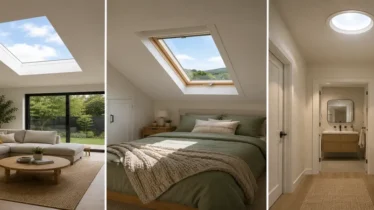
Tubular skylights or sky tubes
A tubular skylight may seem less invasive because the internal ceiling diffuser is smaller than a large skylight. However, it still involves a roof penetration and must be installed in a way that maintains weathertightness.
For sky tubes, the roof dome, flashing, reflective tube path and ceiling diffuser all need to suit the home.
Replacement skylights
Replacement work should check why the original unit is being replaced. If the old skylight failed prematurely or caused moisture damage, consent and compliance questions become more important.
New build, renovation or retrofit: why the pathway changes
The consent conversation changes depending on the project type.
New builds
In a new build, skylights are usually part of the overall building consent and design documentation. They need to be shown clearly in the plans and coordinated with roofing, structure, insulation, glazing and internal lining.
Major renovations or additions
If the skylight is part of a larger consented renovation, it should be included in the plans and scope. Even if skylight work might otherwise be simple, adding it into a consented project may require coordination with the overall consent pathway.
Retrofit into an existing home
A retrofit skylight or sky tube in an existing home may be simpler, but the exemption and compliance position still depends on the work. Roof type, structure, product choice and weathertightness all matter.
Replacement of an existing skylight
Replacement may be straightforward where the old skylight has simply reached the end of its service life and the new work does not trigger additional concerns. It needs closer review if the old unit failed early or caused building damage.
What homeowners should ask before booking
Before approving skylight work, ask practical compliance questions.
Consent and responsibility
- Is building consent likely to be required for this work?
- If not, why is it considered exempt?
- Should I confirm this with council?
- If consent is required, who will prepare or support the application?
- Is this work connected to any other consented renovation or roofing project?
Building Code performance
- How will the installation maintain weathertightness?
- Is the skylight suitable for my roof type and pitch?
- Will any framing need to be altered?
- Is the product suitable for the room and building conditions?
- Are ventilation expectations realistic?
Scope and documentation
- What exactly is included in the quote?
- Are flashings included?
- Is internal finishing included?
- Is plastering or painting included?
- Will I receive product information or installation documentation?
- Are warranties clear?
These questions protect the homeowner and help ensure everyone understands the job before work begins.
What a responsible skylight provider should clarify
A professional skylight discussion should not avoid consent and compliance questions.
A responsible provider should be able to discuss:
- The room’s daylight or ventilation need
- The roof type and pitch
- Product suitability
- Flashing requirements
- Whether structural framing may be affected
- Whether the project appears straightforward or needs further review
- Whether council confirmation may be sensible
- What is included and excluded in the scope
- What information is needed before quoting accurately
This does not mean every installer will provide legal advice. They should not. But they should recognise when a project needs additional checking.
The strongest advice is often the most honest advice:
This appears straightforward, but we should confirm the roof and scope before making a final recommendation.
That is the type of clarity homeowners should expect.
Local council differences and why they matter
New Zealand has national building law and Building Code requirements, but local councils administer building consents and may be involved where interpretation or project-specific details need checking.
That means homeowners in Auckland, Wellington, Christchurch, Queenstown, Tauranga, Hamilton, Dunedin, Nelson or smaller regional districts may all be working under the same broad national framework, but the practical process can involve their local council.
This is especially relevant where:
- The project is unusual
- The home has known weathertightness issues
- The property is multi-unit or commercial
- The building has heritage or planning overlays
- The skylight is part of a larger renovation
- The scope sits close to an exemption boundary
- The homeowner wants written confirmation before proceeding
When in doubt, council confirmation is better than assuming.
Heritage, body corporate and special property considerations
Some homes need extra checks beyond standard skylight installation planning.
Heritage homes
A heritage-listed or character-protected property may have additional planning or appearance considerations. Even when building consent is not the main issue, other restrictions may apply.
Townhouses and apartments
Multi-unit buildings may involve body corporate rules, shared roofing, fire separation, access constraints and more complex consent pathways.
Commercial buildings
Commercial skylight work can involve different compliance considerations, including specified systems, fire safety, access and building use.
Homes with pool barriers
If a skylight or roof window project affects a building element connected to a compliant pool barrier or safety system, further review may be required.
These are not reasons to avoid skylights. They are reasons to check the pathway early.
Illustrative example only
A homeowner wants to install a sky tube in a dark hallway of an existing single-storey home with a metal roof. The room has no moisture concern, the roof appears straightforward, and the goal is practical daylight.
This may be a relatively simple project, but it still needs proper installation. The roof penetration must be flashed correctly, the product must suit the roof profile, and the work must comply with Building Code performance requirements.
Another homeowner wants to replace a leaking roof window that was installed only a few years earlier. There is staining around the ceiling opening and the roof pitch is low.
That second project needs more careful review. The key question is not just “What replacement fits?” It is “Why did the original fail, and what needs to change so the problem is not repeated?”
Both projects involve daylight. They do not carry the same compliance risk.
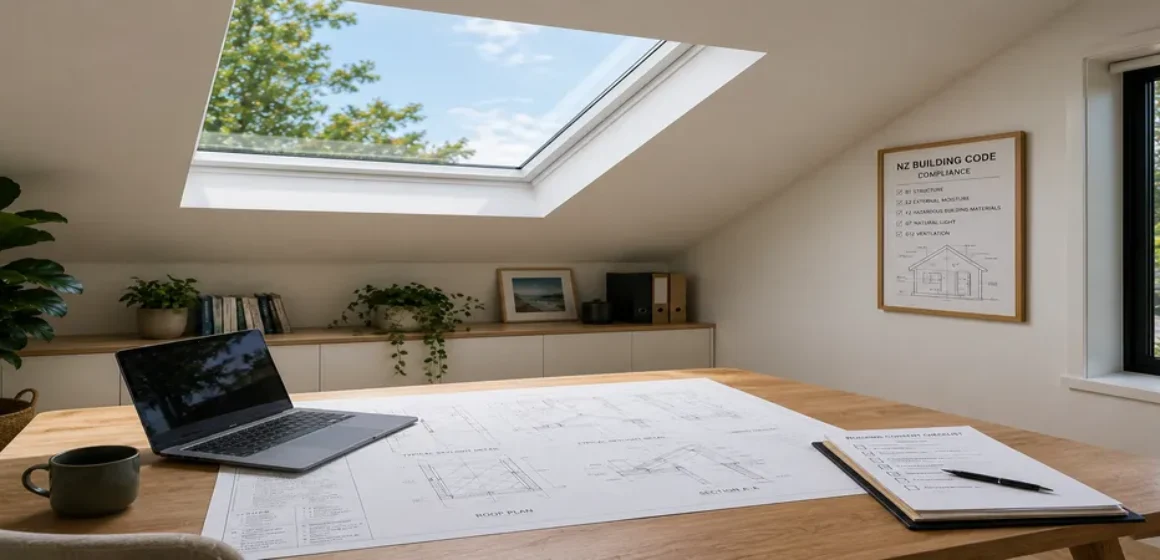
A simple homeowner compliance checklist
Before booking, work through this checklist.
Property and project
- Is this an existing home, new build, renovation or replacement?
- Is the property single-storey, two-storey, multi-unit or commercial?
- Is the skylight part of wider consented work?
- Is there any heritage, body corporate or planning consideration?
Roof and structure
- What roof type do you have?
- What is the approximate roof pitch?
- Is the roof in good condition?
- Are there signs of leaks or previous repairs?
- Will framing need to be altered?
Product and performance
- Is the skylight suitable for the roof pitch and profile?
- Are the correct flashings included?
- Does the room need light, ventilation or both?
- Is glazing or thermal performance relevant to the project?
- Will internal finishing be needed?
Consent and documentation
- Has anyone checked whether consent may be required?
- Should council be contacted before proceeding?
- Is the scope clearly written?
- Are warranties and product details provided?
- Will any required records or documentation be supplied?
This checklist is not a substitute for professional advice. It is a way to ask better questions before committing.
What not to assume
Avoid these common assumptions:
“It is only a small skylight, so compliance does not matter.”
Even a small roof penetration must be weathertight and suitable for the roof.
“If no consent is needed, anyone can install it.”
Exempt work still needs to meet the Building Code. Many skylight projects should be handled by experienced professionals because they affect the roof and weatherproofing.
“A replacement is automatically simple.”
Replacement can be straightforward, but if the old skylight leaked or failed early, the cause needs to be understood.
“The council will never be involved.”
Some projects require consent or council confirmation. If the scope is uncertain, checking early is safer.
“The product warranty covers everything.”
Product warranties do not replace correct installation, suitable flashing or Building Code compliance.
The practical takeaway for homeowners
A good skylight project should answer three questions before booking.
1. Is the work allowed to proceed without consent, or does it need formal approval?
This depends on the project and should be checked where there is doubt.
2. Will the installation comply with the Building Code?
Consent-exempt work still needs to meet the Building Code.
3. Is the product and installation method suitable for the room and roof?
This is where roof pitch, flashing, structure, ventilation and internal finish all matter.
If these three questions are handled properly, homeowners can make the decision with more confidence.
Planning your next step
If you are considering a skylight, roof window or sky tube, it is worth understanding the consent and compliance pathway before booking.
Skylights.co.nz can help you explore whether a fixed skylight, vented skylight or tubular skylight may suit your room, roof type and project scope. Where consent or council confirmation may be needed, that should be discussed early so the work is planned properly.
To start planning your options, use the Skylights.co.nz enquiry form:
https://inquiry.skylights.co.nz/inquiry
You may also find these useful:
FAQs
Do skylights need building consent in New Zealand?
Some skylight or roof-window work in existing homes may not require building consent if it fits within the relevant exemptions and conditions. However, this is not a blanket rule. The project details, roof, building type, replacement history and wider scope should be checked before work begins.
Does exempt skylight work still need to meet the Building Code?
Yes. Building work must comply with the New Zealand Building Code even when it does not require building consent. For skylights, this is especially important for weathertightness, durability, structure and product suitability.
Should I check with council before installing a skylight?
If the project is straightforward, your skylight provider may be able to guide the initial discussion. If there is any uncertainty about consent, building type, previous failure, structural work or wider renovation scope, it is sensible to check with your local council.
Is replacing an old skylight consent-exempt?
It may be, depending on the situation. If the old skylight failed prematurely, leaked, caused damage or affects other compliance matters, the replacement may need closer review. The cause of failure should be understood before replacing it.
Why is flashing so important for skylight compliance?
Flashing helps integrate the skylight with the roof so rainwater is directed correctly around the opening. Poor flashing can lead to water entry, so the flashing system must suit the skylight, roof profile, roof pitch and exposure.
Who is responsible for making sure skylight work is compliant?
The building owner is responsible for ensuring building work meets the required rules, even when professionals are engaged. A good skylight provider should help clarify the scope, product suitability and when further consent or council advice may be needed.