Skylights in Wellsford Builds: How to Future-Proof Your Home for Natural Light
Designing with Daylight in Mind
In the early stages of a new build or renovation in Wellsford, it’s easy to focus on floorplans, finishes, and fittings. But one of the most impactful long-term decisions is often overlooked:
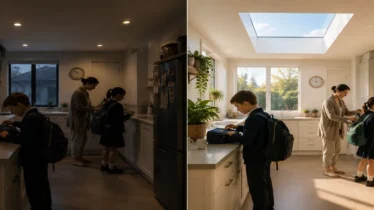
How will your home bring in natural light, especially in areas windows can’t reach?
Skylights and sun tubes offer powerful daylighting options, but retrofitting them later can be costly or complicated, especially on long-run steel roofs or tight internal layouts.
Here’s how to integrate skylight planning into your build from day one, avoiding missed opportunities and expensive workarounds.
Step 1: Identify Natural Light Challenges Early
During concept planning, walk through each room and ask:
- Will this room get direct sunlight?
- Are there any internal rooms (e.g. bathrooms, hallways, pantries) with no external walls?
- Are any areas likely to feel dark in winter due to orientation or nearby shading?
In Wellsford’s rural blocks, north-facing rooms often get priority, leaving south-facing or internal rooms underlit.
Step 2: Consider Roof Pitch & Material Compatibility
Skylights and sun tubes require roof space, angle, and material compatibility. At framing stage:
|
Feature |
Why It Matters |
|
Roof Pitch |
Some skylights require minimum pitches to shed water (usually 15° or more). |
|
Truss Positioning |
Spacing matters; installing standard skylight boxes becomes harder if the rafters are too close. |
|
Roofing Type |
Long-run steel (common in Wellsford) needs profile-specific flashing and careful detailing. |
Step 3: Plan Orientation for Light & Thermal Gains
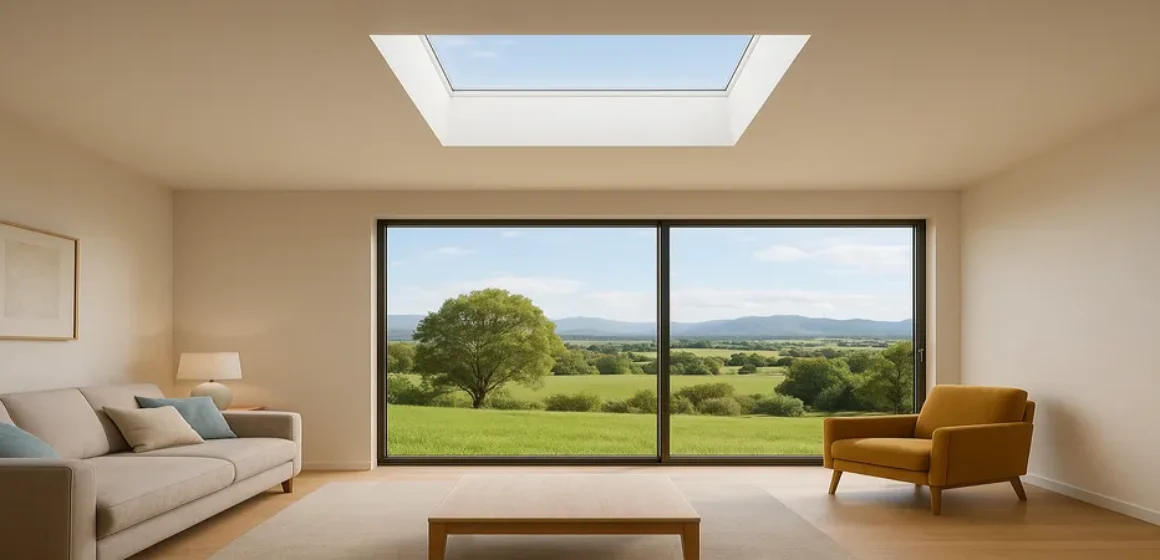
In Wellsford’s cooler seasons, north and northeast-facing skylights provide excellent winter sun and morning warmth.
|
Orientation |
Best Use |
|
North-facing |
Lounge, open-plan living — captures winter light |
|
East-facing |
Kitchens and breakfast areas — great for morning activity |
|
South-facing |
Use diffused glazing or solar tubes — avoids heat gain |
|
West-facing |
Use sparingly; can create late-afternoon glare in summer |
Step 4: Make Framing Allowances Before the Roof Goes On
Framing adjustments are far easier during build stage. Be sure to:
- Set aside truss-free zones for skylight or sun tube placement
- Use framing headers and nogs to support future roof penetrations
- Create wider light shafts for multi-level or pitched-ceiling homes to maximise light spread
This foresight helps avoid cutting structural timber later, which can increase install costs and engineering needs.
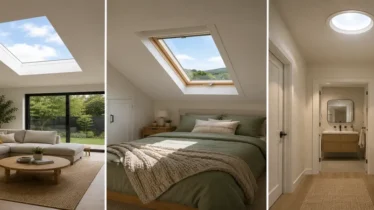
Step 5: Choose the Right Skylight Types for Each Space
|
Room Type |
Recommended Skylight Solution |
|
Living Rooms |
Fixed or vented skylights with Low-E glass |
|
Internal Hallways |
Sun tubes with diffusers for soft, even lighting |
|
Bathrooms |
|
|
Lofts or Attics |
Vented skylights with blinds for temperature control |
Case Snapshot (Fictionalised): New Build in Wellsford Ridge
A young family worked with their builder to pre-frame three skylights into their gabled living area and added a sun tube to their walk-in wardrobe. When the roofing went on, flashings were installed in one pass, with no modifications needed.
Result: a light-filled home with zero retrofitting costs — and thermal comfort year-round.
Summary: Future-Proofing Checklist
- Discuss skylight potential during architectural design
- Pre-frame truss zones before roofing
- Choose roof-compatible flashings and pitch-specific units
- Align skylight orientation with natural sun paths
- Use a mix of skylights and sun tubes for tailored lighting
Building or Renovating in Wellsford?
Talk to a trusted local installer early in your project. They can collaborate with your builder to ensure smart placement and material compatibility.