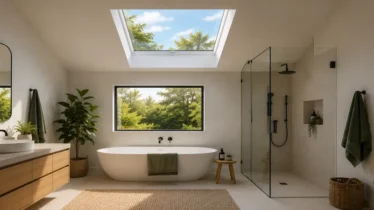
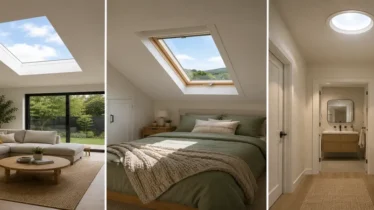
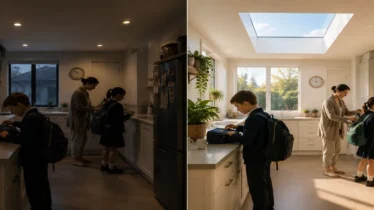
Designing Skylights for Elevated Homes with Ocean Exposure
Light, Height & the Coastal Breeze
Split-level homes and pole-style builds perched along Whangaparāoa’s hillsides offer unbeatable sea views, but they also bring unique challenges when it comes to adding skylights.
From stronger wind zones to complex roof angles, installing natural lighting solutions in these homes requires thoughtful planning, specialised materials, and a deep understanding of exposure risks.
To make the process clearer, we’ve structured this guide as a series of expert Q&AS, addressing the questions most often asked by homeowners in Matakatia, Tindalls Bay, and nearby elevated pockets.
Q: Can I install skylights on a pole home with a steep pitch and ocean-facing roof?
A: Yes — but the steeper the pitch, the more important it becomes to:
- Select skylights designed for high wind uplift
- Use anchored, wind-zone-rated flashing kits
- Install at a minimum pitch (often 15°+) with appropriate waterproofing
- Work with an installer who has experience on complex rooflines
Pro tip: For skillion roofs with high pitches, consider skylights that open outward rather than upward to reduce wind resistance.
Q: How does ocean exposure affect skylight durability?
A: Constant exposure to salt spray and UV means you’ll want:
- Marine-grade flashing systems (aluminium or stainless steel)
- Tempered or laminated glass with UV coatings
- Powder-coated frames or uPVC that resist corrosion
- Sealed units to prevent moisture ingress during coastal squalls
Homes along the ridge in Tindalls Bay or overlooking Matakatia Beach are typically in Zone D or E wind classifications — some of the highest in the region.
Q: What should I consider if my home is split-level or multi-storey?
A: The key design factors include:
- Accessibility during install (some installers require scaffolding or roof safety systems)
- Load-bearing capacity of the upper roof framing
- Light path planning, especially if you’re bringing light through upper ceilings into mid-level living areas
If you’re building new, discuss skylight placement during the framing stage to avoid costly retrofits later.
Q: What skylight orientation works best with ocean-facing homes?
A: The best orientation depends on your priorities:
- East-facing skylights: Ideal for catching gentle morning sun without glare
- North-facing skylights: Provide consistent daylight, great for year-round lighting
- West-facing skylights: Use with caution, they can overheat spaces or cause glare in the afternoon
Use diffused or tinted glazing to soften light intensity in view-heavy lounges or dining spaces.
Q: Are solar-powered or remote-controlled skylights a good idea for elevated homes?
A: Absolutely. In homes where physical access to open/close skylights is limited, solar-powered skylights offer:
- Touch-free venting and blinds
- Built-in rain sensors
- No wiring or mains power needed, ideal for upper-storey installs
They’re especially popular in multi-level baches and lock-and-leave properties.
Final Thoughts: Design Smart, Not Just Bright
- Always choose skylights rated for high-wind coastal zones
- Match flashing kits to roof profile and pitch
- Consider glazing orientation for both light and comfort
- Plan for accessibility during installation and future maintenance
- Use professional installers experienced in elevated, exposed builds
Building or Upgrading an Elevated Coastal Home?
Speak with a trusted local installer who understands wind exposure, complex roofing, and coastal building requirements.