Brighter rentals, better stays: skylights for NZ rental and investment properties
Scroll through any rental listing site in New Zealand and certain phrases appear again and again:
- “light and bright”
- “sunny open-plan living”
- “warm and inviting”.
Tenants pay attention. So do property managers. A home that feels dim – even if it technically meets minimum standards – often sits longer on the market, attracts fewer applications or simply feels harder to photograph well.
If you own a rental or investment property, you might recognise some of these patterns:
- a south-facing living area that always looks flat in photos
- an internal hallway or stairwell where the lights are on all day
- a bathroom or study that never sees natural light.
Skylights are usually discussed in the context of owner-occupied renovations, but they can also play a useful role in rental and investment properties when chosen and placed carefully.
Illustrative Example Only: “We own a 1970s unit in Hamilton with a long internal hallway. The property manager kept mentioning that it felt a bit gloomy. After adding two tubular skylights, the photos improved noticeably and we had more interest at the next change of tenants.”
This article looks at skylights for NZ rental properties and investments – where they can add value, what to consider from a landlord’s perspective, and how to keep things practical for long-term ownership.
1. Where skylights make sense in rentals – and where they might not
Before looking at products, it helps to be clear about priorities. Most investors care about a mix of:
- attracting and keeping good tenants
- minimising maintenance headaches
- maintaining or improving long-term asset value.
Skylights tend to work best in rental properties when they:
- solve clear daylight problems (not just “seem like a nice idea”)
- are placed where they benefit multiple daily activities
- are specified at a standard that suits the rest of the property.
Examples where they often make sense:
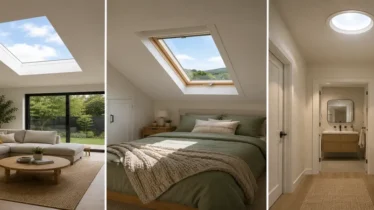
- internal or dim hallways and entry routes
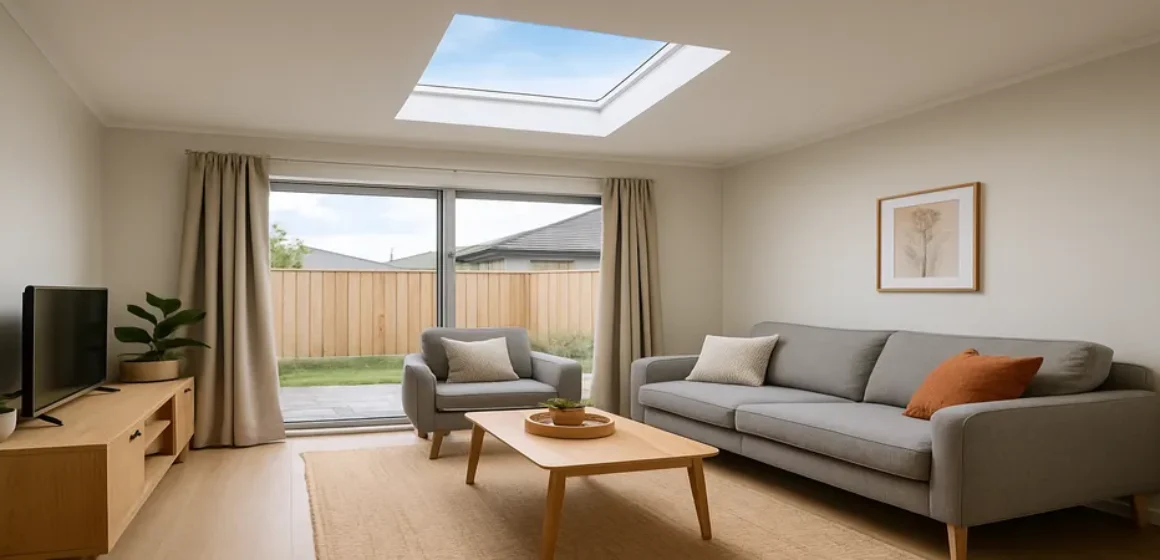
- living rooms where good natural light would significantly lift appeal
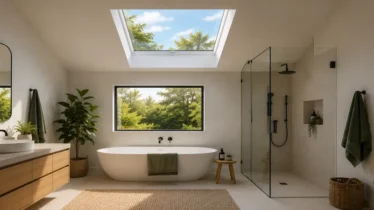
- windowless bathrooms or internal toilets where a small sun tube changes useability.
Areas to think about more carefully:
- bedrooms for shift workers or children (light control becomes critical)
- complex, high-maintenance installations in properties a long way from your trades network
- situations where an easier win – such as improving existing heating or extraction – should clearly come first.
The question is not “Do skylights add value?” in the abstract, but “What problem at this property would they actually solve?”
2. Light, comfort and perceived value – how tenants experience a space
Tenants rarely talk about U-values or glazing types. They do talk about how a property feels.
Skylights can influence that perception by:
- making photos and viewings more appealing
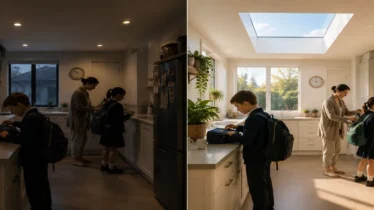
- reducing the need for daytime artificial lighting in key areas
- helping spaces feel more open without increasing floor area.
In cooler regions like Wellington, Canterbury or Otago, tenants often notice when a living space feels less gloomy on winter afternoons. In sunnier regions like Auckland, Bay of Plenty or Hawke’s Bay, balanced overhead light can help manage glare from big sliders.
A simple test when assessing a rental is to stand in the main living area, hallway or bathroom and ask: “If this room stayed exactly this light all day, would that make a difference to how tenants feel about the home?”
If the answer is “absolutely”, skylights are worth exploring.
3. Product choices with landlords in mind
Not every skylight product that suits an architect-designed owner-occupier home is the right choice for a rental.
Fixed vs vented skylights
- Fixed skylights have no moving parts and are generally simpler to maintain. They work well in living areas, hallways and entries where ventilation is already managed by windows and fans.
- Vented skylights or roof windows can be valuable in bathrooms and some upper-level spaces, but come with additional hardware and seals to maintain.
In rentals, many owners favour fixed skylights in most locations, with vented products reserved for specific moisture-prone rooms where they provide clear benefit.
Tubular skylights for circulation spaces and small rooms
For long-term rentals, tubular skylights can be particularly attractive because they:
- require relatively small roof and ceiling openings
- offer highly diffused light, reducing glare issues
- are often more straightforward to retrofit into existing structures.
They are often a good fit for:
- internal hallways and stair landings
- windowless toilets
- small laundries or utility spaces.
Blinds, access and tenant control
In bedrooms and some living spaces, blinds help tenants manage comfort.
From an ownership point of view, consider:
- whether blinds are manual or electric, and who maintains them
- how easily tenants can safely reach controls
- providing basic guidance at handover so blinds are used and cared for properly.
4. Moisture, mould and Healthy Homes considerations
New Zealand’s Healthy Homes Standards focus on heating, insulation, ventilation, moisture and draughts. Skylights sit alongside these requirements – they do not replace extractor fans or heating, but they can support comfort and moisture management when used well.
In rentals, skylights can contribute by:
- helping bathrooms and laundries feel less damp when combined with mechanical extraction
- reducing shadowy, cool corners that stay wet for longer
- encouraging tenants to use rooms more effectively because they feel brighter and less closed-in.
However, they must be:
- properly detailed and insulated to prevent condensation around the frame
- combined with ducted fans that discharge to the exterior, not just into the roof space
- checked periodically as part of your general property maintenance.
If a property already struggles with moisture, it is usually wise to address extraction, insulation and heating first, then look at skylights as part of a broader comfort plan.
5. Practicalities: access, cleaning and long-term care
As a landlord or investor, you are entitled to ask: “How will this behave over ten years, not just in the first month?”
Questions to work through with your installer include:
- Access for future maintenance – can the skylight be safely inspected and serviced if required?
- External cleaning – in locations where debris or salt build-up is likely, how will cleaning be handled?
- Internal finishes – are shaft linings and paint choices durable enough for tenant wear-and-tear?
In most cases, modern skylights are relatively low-maintenance, but a clear plan shared with your property manager helps prevent small issues becoming deferred-maintenance headaches.
6. Types of rental properties and how skylights can help
Different investment properties have different needs.
Standalone houses in suburban areas
- Skylights can help lift older living areas, internal halls and bathrooms.
- There is usually more flexibility around roof access.
- Good for long-term family tenancies where overall comfort feeds into tenant stability.
Units and duplexes
- Shared walls and compact layouts can limit side windows.
- Tubular skylights are often a practical way to brighten interior spaces.
- Roof access and body corporate permissions (if applicable) must be considered.
Townhouses and newer compact homes
- Middle-level living areas, internal stairs and window-poor rooms are common.
- Skylights can make these homes feel more generous and help differentiate your property within a development.
- Thermal performance and glare control matter, especially in sunnier regions.
Student or multi-tenant properties
- Clear, robust products and simple controls can reduce misuse.
- Avoid overly complex or delicate systems that are hard to explain or maintain.
- Focus on brightening key shared spaces where it will have the biggest impact on day-to-day life.
7. Planning path – from “we should improve the light” to a landlord-ready brief
To decide whether skylights make sense for your rental, it helps to move beyond a general desire for more light into a specific action plan.
Step 1 – Walk the property as if you were a tenant
Visit during the day without turning on lights. Pay attention to how the main living area, hallways, stairs and bathrooms feel.
Step 2 – Note the genuine problem spots
Is there a room you would hesitate to call “light and bright” in a listing? Where are lights on most of the time?
Step 3 – Check the basics first
Confirm that heating, insulation and mechanical ventilation are at a good standard. Skylights work best on top of, not instead of, these fundamentals.
Step 4 – Map potential skylight locations to the roof
Sketch the plan, mark dark zones, then note where the roof sits above. Highlight any areas with clear structure and access.
Step 5 – Gather photos and a short property summary
Take photos of the darker spaces and the roof, and note your property type, region and typical tenant profile. This becomes a useful brief for an installer.
8. Next steps – using skylights as part of a smarter rental strategy
Skylights alone will not turn a poorly performing property into a great one. But in the right places, they can be a measured, strategic upgrade that supports comfort, appeal and long-term value.
If you are beginning to weigh up options for a rental or investment property:
- identify the one or two spaces where better daylight would clearly change how the home feels
- check that heating, insulation and ventilation are in good shape first
- pull together a brief that includes photos, a simple plan and your goals as an owner.
Skylights.co.nz can help connect you with installers across New Zealand who are used to working with investment properties and rentals, not just owner-occupied renovations.
Make an enquiry via Skylights.co.nz
If you share your region, property type and a few images of the spaces you are concerned about, an installer can usually outline a couple of realistic skylight options that suit both your tenants and your long-term ownership.
FAQs – skylights for NZ rental and investment properties
Q1. Do skylights increase the rental value of a property?
They can improve appeal and help a property present better in photos and at viewings, especially where light is currently a weakness. Any direct rental increase depends on location, overall condition and local demand.
Q2. Will I have higher maintenance costs if I add skylights to a rental?
Modern skylights are designed to be durable, but like any building element they require occasional checking. Choosing appropriate products and agreeing a simple inspection routine with your property manager can keep costs predictable.
Q3. Are skylights covered by insurance if something goes wrong?
This depends on your policy and the nature of any issue. It is important to use qualified installers and to keep records of installation and any subsequent work, as you would with other building elements.
Q4. Can tenants safely operate skylight blinds and vents?
Yes, provided controls are reachable and straightforward. Your installer can suggest options that suit the ceiling height and tenant profile, and you can include basic instructions in your onboarding information.
Q5. Should I prioritise skylights over heating or insulation upgrades?
In most cases, no. Meeting and exceeding Healthy Homes requirements for heating, insulation and ventilation should come first. Skylights are best seen as part of a broader comfort and liveability strategy.
Q6. Who should I talk to about skylights for a rental or investment property?
A skylight installer with experience in both retrofits and new builds is a good first call. They can advise on feasibility, costs and product choices that align with your goals as a landlord or investor.