Light by the sea: skylights for coastal and high-wind NZ homes
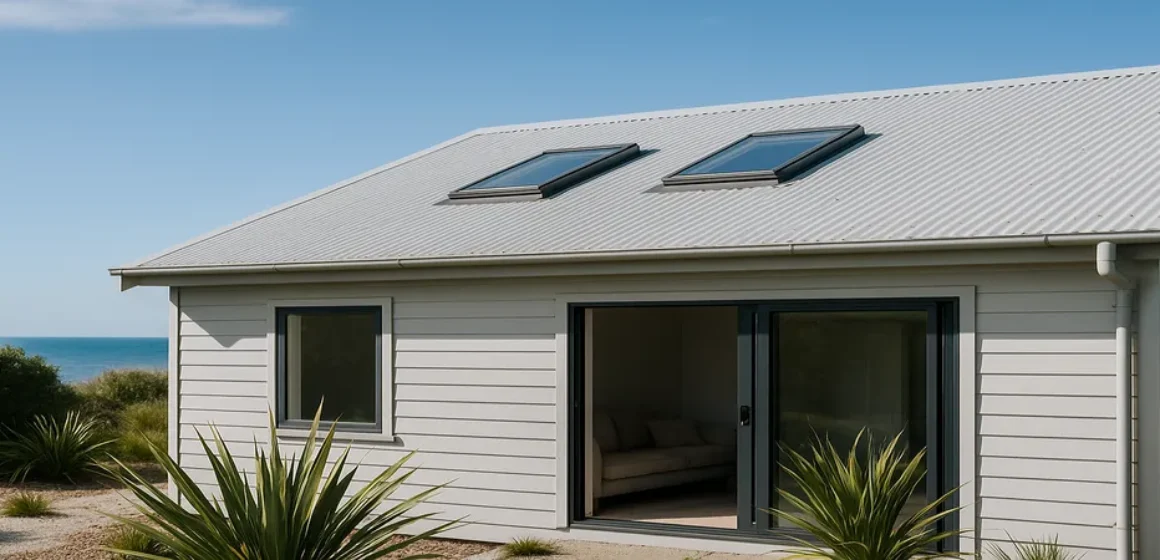
Many of New Zealand’s most appealing homes sit close to the sea or on exposed ridges. Think of:
- houses along the Kapiti Coast, Coromandel or Bay of Plenty
- homes around the harbour edges in Wellington and Lyttelton
- properties looking over dunes in Southland or Northland.
They enjoy big skies, open views and strong daylight – and they also live with wind, salt and fast-changing weather.
If you own or are planning a coastal or high-wind home, you might find yourself asking:
- “Will a skylight leak in a storm?”
- “How does salt air affect frames and flashings?”
- “Can we still ventilate safely when the wind really gets up?”
Illustrative Example Only: “We have a single-level home near New Plymouth, a few streets back from the sea. The living area was always a bit dull despite the view. Adding two skylights made the room feel connected to the sky, but we were only comfortable going ahead once we understood how they would be flashed and sealed for our wind zone.”
This article explores skylights for coastal and high-wind NZ homes – how to enjoy light from above while respecting the realities of wind, rain and salt.
1. What changes when you are close to the coast or in a high-wind area
The basic principles of good skylight design stay the same, but context matters more.
In exposed or coastal locations, you are likely to experience:
- stronger and more frequent winds
- driven rain that can push water into small gaps
- salt-laden air that accelerates wear on external metalwork
- faster shifts between bright sun and overcast conditions.
For skylights, this means extra attention to:
- product choice and wind ratings
- flashing design and installation quality
- material durability and maintenance access
- comfort – both temperature and noise.
Rather than seeing this as a reason to avoid skylights completely, it is better to treat it as a design brief that needs to be taken seriously.
2. Product considerations for coastal and exposed settings
Not all skylights are created equal, and not every product is suited to every site.
Tested systems and wind performance
In higher wind zones, using products that are:
- tested to relevant performance standards
- installed strictly in line with manufacturer guidance
- matched with compatible flashings and underlays
is more important than chasing the lowest up-front cost.
A reputable installer will be able to discuss wind exposure at your site and suggest product families that are known to perform well in similar conditions.
Frame materials and external components
Close to the sea, external materials live harder lives. Consider:
- frame systems designed for durability in marine environments
- flashings, fixings and accessories that are appropriate for salt exposure
- how easily these elements can be inspected and maintained.
It is often worth choosing slightly more robust options here, even in otherwise modest homes, because the environment is less forgiving.
3. Flashings, roof types and water management
On any site, good flashing work is essential. On coastal or high-wind sites, it becomes critical.
Working with different roof types
The way a skylight is integrated depends heavily on roof material:
- Corrugated or trapezoidal metal roofs: require matching apron and soaker flashings, careful fixing and clear water paths.
- Tiled roofs: need compatible tray flashings and backtrays that move water safely around the opening.
- Membrane roofs: rely on correct upstands and integration with the membrane manufacturer’s detailing.
In exposed locations, details must:
- prevent water being driven sideways into laps
- avoid low points where water can pond
- keep fixings, sealants and laps accessible for inspection.
Underlays and secondary protection
Skylight openings should always be treated as areas where secondary protection matters.
That includes:
- continuity of underlay or sarking around the opening
- robust backtrays and diverters where appropriate
- careful sealing of penetrations, especially around fixings.
A well-detailed skylight on a coastal home behaves as part of the wider roof system, not an added-on box.
4. Managing light, heat and glare by the sea
Coastal and elevated homes often receive strong daylight and reflection from water, sand or pale roofing.
Glare control and comfort
Skylights can:
- soften contrast between bright windows and interior spaces
- make central zones of rooms more evenly lit
- reduce reliance on artificial light during the day.
But they need to be specified carefully to avoid:
- harsh glare on reflective surfaces
- excessive light in media or sleeping areas at the wrong times of day.
Options include:
- diffused glazing where very sharp sun would otherwise be an issue
- internal blinds or shades to fine-tune light levels
- thoughtful placement so that light falls on walls and ceilings rather than straight into eyes.
Heat gain and loss in exposed climates
In windier and more exposed locations, comfort is about more than just temperature numbers.
Well-chosen skylights can support comfort by:
- using double glazing and, where appropriate, Low-E glass
- ensuring shafts are insulated and lined to reduce drafts
- pairing vented units with secure, controlled openings.
5. Ventilation and high winds – getting fresh air safely
Many coastal and high-wind homes value the ability to flush out warm air in the evenings or bring in fresh air overnight.
Vented skylights and roof windows
These can help by:
- allowing warm air to escape from high points in living areas
- bringing in fresh air where side windows are limited by neighbours or privacy
- supporting moisture control in bathrooms and upper-level spaces.
However, in exposed locations:
- opening sizes and hardware need to be appropriate for wind loads
- homeowners should understand when it is and is not sensible to leave units open
- insect screens and secure ventilation options may be especially important.
Working alongside mechanical ventilation
In some homes, mechanical ventilation or heat recovery systems are used to manage air quality.
Skylights then become part of a mixed strategy, offering:
- rapid fresh-air options when weather allows
- additional light in spaces where vents and ducts handle much of the moisture work.
6. Interior detailing, noise and everyday life
Coastal and ridge-top homes often have distinct interior experiences.
Shaft design and interior finishes
Inside, the way a skylight shaft is shaped and finished affects:
- how light spreads through the room
- how much the opening becomes a visual feature
- how easily surfaces can be cleaned and maintained.
Slightly flared shafts can soften light and make smaller rooms feel more open, while simple, straight shafts may suit more minimal interiors.
Rain and wind noise
In exposed locations, the sound of rain and wind is already part of daily life.
Skylights can:
- add a pleasant, gentle rain sound in some rooms
- be specified with glazing and detailing that reduce excessive noise where needed
- be placed away from areas where sound sensitivity is highest, such as some bedrooms.
Discussing noise expectations with your installer early helps them guide product choice and placement.
7. Planning path – from “we’d love more sky” to a coastal-ready brief
If you live near the sea or in a high-wind area and are considering skylights, this planning path can help you prepare for a detailed conversation with an installer.
Step 1 – Note where light and outlook would genuinely improve life
Is it a central living area, a stairwell, a hallway, a bathroom, or all of these?
Step 2 – Observe wind and weather patterns
Pay attention over a few days to typical wind directions, times of strongest gusts and how rain tracks across your roof.
Step 3 – Check your roof type and access
Identify whether your roof is metal, tile or membrane, and how accessible it is for inspection and future maintenance.
Step 4 – Decide how you want to use any opening units
Are you aiming to ventilate hot upper-level spaces, support bathroom extraction, or simply enjoy fixed light with no moving parts?
Step 5 – Gather photos of inside and out
Photos of the rooms in question, the roof plane above and your coastal setting provide installers with valuable context before they visit.
8. Next steps – enjoying coastal light with coastal-level care
One of the joys of living near the sea or on an exposed ridge in New Zealand is the constantly changing light. Thoughtfully planned skylights can bring more of that quality into the heart of your home, without ignoring wind and weather.
If you are starting to picture where a skylight could help:
- walk through your home on a typical day and notice where rooms feel closed-in despite the wider setting
- make a short list of spaces where more sky and daylight would genuinely change how you use them
- gather a few photos and notes about your roof, wind exposure and local climate.
Skylights.co.nz can help connect you with installers who understand the demands of coastal and high-wind NZ locations – from flashing details on metal roofs to product choices for salt-laden air.
Make an enquiry via Skylights.co.nz
If you share your region, a few images and a sentence or two about how wind and weather behave at your place, an installer can usually outline one or two skylight approaches that respect both your setting and your home.
FAQs – skylights for coastal and high-wind NZ homes
Q1. Are skylights a good idea in high-wind or coastal zones?
They can be, provided appropriate products are chosen and installed correctly. Many coastal and exposed homes use skylights successfully when wind ratings, flashings and materials are matched to the site.
Q2. Will skylights leak in storms?
Properly detailed and maintained skylights should perform as part of the wider roof system. In exposed locations, using tested systems and experienced installers is particularly important to manage driven rain.
Q3. How does salt air affect skylights?
Salt can accelerate wear on external metal components. Choosing suitable frame systems, flashings and fixings, and allowing for periodic inspection and cleaning, helps manage this over time.
Q4. Can I still have opening skylights in a very windy area?
Often yes, but product choice and how you use them matter. Your installer can suggest hardware and configurations suited to local wind conditions and talk through practical use in everyday weather.
Q5. Do coastal skylights need more maintenance than inland ones?
They may need more regular external inspection and cleaning, similar to other exterior elements near the sea. Internally, care is much the same as for skylights in other locations.
Q6. Who should I speak to about skylights for a coastal or high-wind home?
A skylight installer familiar with your region’s conditions is the best starting point. They can discuss product options, detailing and realistic expectations for performance over time.