The first cold morning test: what your dark rooms reveal before winter properly starts
The first proper cold morning often tells the truth about a home.
You notice it before the kettle boils. The kitchen light goes on earlier than it did a few weeks ago. The hallway feels darker than it should. The bathroom mirror fogs while the room still feels flat and shadowed. A spare room that seemed fine in summer suddenly feels like a place nobody wants to sit.
In many New Zealand homes, this is the moment when a dark room before winter stops being a small inconvenience and starts affecting the way the home feels every day.
A skylight will not solve every winter comfort issue. It will not replace insulation, heating, ventilation or proper moisture control. But the right daylight solution can reveal something important: some rooms are not unpleasant because they are small, old or awkward. They are unpleasant because they have been living without enough natural light for too long.
This guide helps you understand what those early winter signs mean, which rooms deserve attention first, and how to start thinking about skylights or sky tubes before the darkest part of the year arrives.
Why cold mornings expose dark rooms so clearly
During late autumn and early winter, the sun sits lower in the sky, mornings feel slower, and many rooms receive less useful daylight. A room that felt acceptable in February can feel noticeably different by May.
This is especially common in homes with:
- Internal hallways with no direct windows
- South-facing rooms that receive limited direct sun
- Bathrooms tucked into the centre or shaded side of the home
- Kitchens blocked by verandas, neighbouring walls or deep eaves
- Older homes with smaller windows and compartment-style layouts
- Renovated homes where an extension has changed how light moves through the floor plan
The change is not always dramatic. Sometimes it is simply the feeling that a room never quite starts the day.
A homeowner might describe it as:
“It is not pitch black, but it always feels like the room is waiting for someone to turn the day on.”
That is often the clearest sign that the issue is not only décor or wall colour. It may be the way natural light is entering, or failing to enter, the space.
The first cold morning test
Before thinking about products, sizes or roof details, walk through your home on a cold morning before switching every light on.
This simple check works best between 7.00am and 9.00am, when the home is being used but daylight is still limited.
Ask yourself:
- Which rooms feel least inviting before artificial lights go on?
- Which spaces make you reach for the light switch automatically?
- Is the room dark because it has no window, or because the window does not bring light to the right area?
- Does the space feel cold, flat or closed-in, even if the rest of the home feels fine?
- Are there rooms you avoid using until later in the day?
The answer is rarely “the whole house is dark”. More often, one or two problem areas affect the feel of the whole home.
A gloomy hallway can make bedrooms feel disconnected. A dull kitchen can make morning routines feel heavier. A dark bathroom can make the start of the day feel less fresh. A spare room can become wasted space simply because nobody enjoys being in it.
This is why skylight planning should start with behaviour, not just the roof.
The rooms that usually reveal the problem first
Hallways and internal corridors
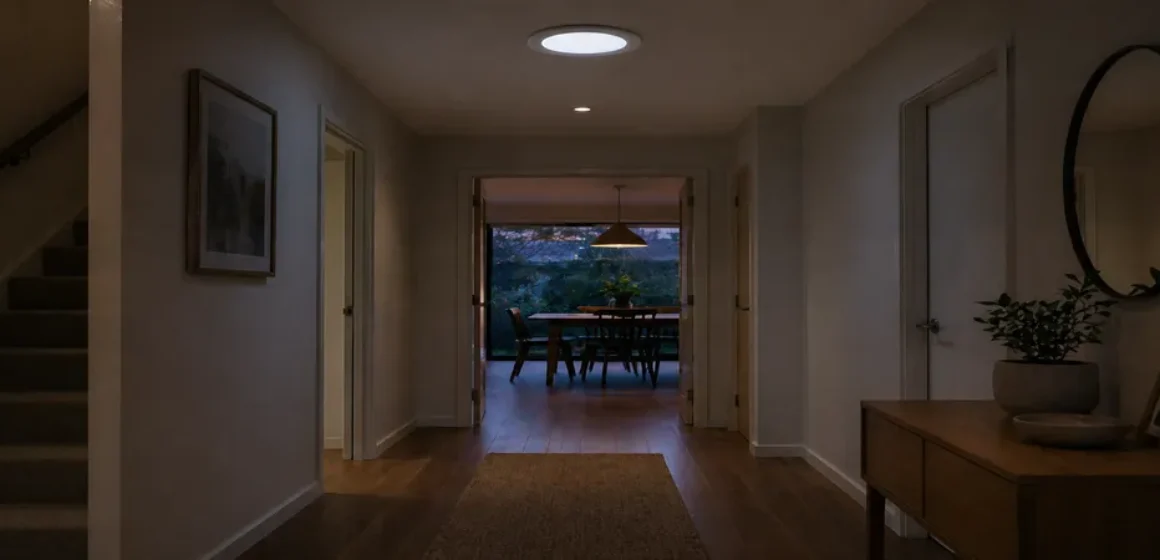
Hallways are often the first spaces to show winter darkness because they rely on borrowed light from nearby rooms. Once bedroom doors close, curtains stay drawn or daylight weakens, the hallway can quickly become the darkest part of the home.
A tubular skylight is often worth considering for this type of space because it can bring daylight from the roof into a central ceiling area without needing a large roof window.
The goal is not to turn the hallway into a feature room. It is to make the home feel more connected, safer to move through and less dependent on daytime lighting.
Bathrooms
Bathrooms are another common problem area, especially in older homes and compact renovations. They often have small windows, privacy glass or no direct daylight at all.
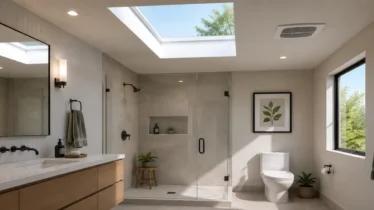
In winter, the issue can feel worse because steam, limited ventilation and poor daylight often appear together. A vented skylight may be suitable in some bathrooms, while a tubular skylight can be a strong option where the main need is natural light rather than roof-window ventilation.
The best choice depends on the room, roof access, moisture behaviour and the desired finish.
Kitchens
A kitchen can have windows and still feel dark if the working areas sit away from the main source of light. Benchtops, islands and preparation zones often need daylight from above rather than from the side.
This matters because the kitchen is one of the first rooms used each morning. If it feels dull at 7.30am, the whole day can start under artificial lighting.
A fixed skylight or carefully positioned sky tube can make the kitchen feel more usable, particularly in homes where neighbouring buildings, covered decks or deep eaves limit side light.
Spare rooms and work-from-home spaces
Many spare rooms worked well enough when used occasionally. Then they became offices, guest rooms, hobby spaces or study areas.
In winter, these rooms often reveal whether they are genuinely comfortable for daily use. If a room feels flat by mid-afternoon or needs lights on most of the day, daylight may be part of the problem.
The question is not only “Can I see clearly?” It is “Do I actually want to spend time here?”
When a dark room is not just a lighting issue
Natural light can make a room feel more open and pleasant, but it should be considered alongside the wider health and comfort of the home.
If a room is also damp, musty, cold or poorly ventilated, a skylight may be one part of a broader improvement plan. Other factors may include insulation, heating, extraction, window performance, drainage, air movement and how the room is used day to day.
This is especially important in bathrooms, laundries, kitchens and bedrooms where moisture can build up.
A good skylight conversation should not oversimplify the issue. The aim is to understand what the room needs, then choose a daylighting solution that supports that outcome.
Why waiting until mid-winter can make planning harder
Many homeowners wait until winter is fully established before acting. By then, the problem is obvious, but timing can become tighter.
Winter installations can still be possible, depending on the property, roof type, weather windows and installer availability. However, planning earlier gives you more room to:
- Compare skylight and sky tube options properly
- Check whether the room needs light, ventilation or both
- Understand roof access and roof pitch considerations
- Coordinate with any renovation, painting or ceiling work
- Avoid rushed decisions during the coldest weeks
If the first cold mornings have already highlighted a problem room, May is a practical time to start the conversation. You do not need to have the answer yet. You only need to identify the room that is asking for attention.
Skylight, sky tube or no skylight at all?
Not every dark room needs the same solution.
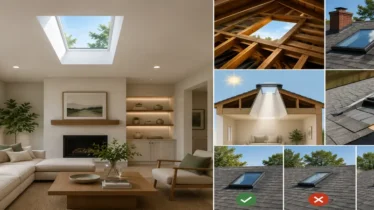
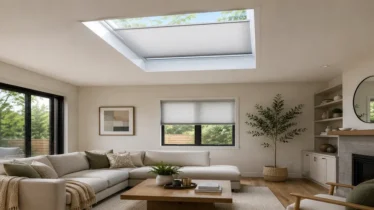
A fixed skylight may suit living areas, kitchens, bedrooms or larger spaces where a stronger architectural light source is wanted.
A vented skylight may suit bathrooms, kitchens or upper-level rooms where airflow is also part of the brief.
A tubular skylight, often called a sky tube, may suit hallways, laundries, wardrobes, toilets, internal bathrooms or other compact spaces where the goal is to bring daylight into a specific zone.
There are also times when a skylight may not be the right answer. Structural limitations, roof design, ceiling access, room use or budget may point towards another solution.
That is why the best starting question is not “What skylight should I buy?”
It is:
Which room is underperforming, and what would better daylight help us do in that space?
A simple homeowner audit before requesting advice
Before making an enquiry, take 10 minutes to note the following:
- Room name
Is it a hallway, kitchen, bathroom, bedroom, laundry, living room or office? - Main problem
Is it too dark, too flat, too damp, too enclosed, or simply unpleasant to use? - Time of day it feels worst
Morning, afternoon, all day, or only during cloudy weather? - Current light source
Does it have a window, borrowed light, a glass door, or no natural light at all? - Ceiling type
Is it flat, sloped, raked or part of an extension? - Roof type if known
Metal, tile, long-run roofing, concrete tile, asphalt shingle or another material? - Desired outcome
Brighter, fresher, more open, better airflow, less daytime lighting, or a more finished look?
These notes help move the conversation from a vague “we need more light” to a clearer plan.
Illustrative example only
A family in a typical suburban home notices that the hallway between the bedrooms and bathroom feels gloomy every winter morning. The bedrooms are fine once curtains are open, and the living area receives good afternoon light, but the central corridor needs artificial lighting almost all day.
Instead of changing the whole home, the most practical solution may be a targeted sky tube positioned to brighten the hallway. The result is not dramatic in a showroom sense. It is better than that. The home simply feels easier to move through.
That is often the most valuable kind of daylight improvement: the change that feels obvious once it is there.
What your dark room may be telling you
A dark room before winter is rarely just an aesthetic issue. It can tell you how the home is really functioning when the days shorten.
It may reveal that:
- The home relies too heavily on artificial light during the day
- A central area is disconnected from natural light
- A room has changed purpose and now needs better daylight
- Moisture-prone spaces need both light and airflow considered
- A small targeted upgrade could make the home feel more usable
The important thing is to notice the pattern early.
If the same room feels dull every morning, it is unlikely to fix itself when winter deepens. The sooner you understand the cause, the better your options become.
Planning your next step
If a room in your home already feels darker, flatter or less usable as winter approaches, start by identifying the exact space and the outcome you want.
Skylights.co.nz can help you explore whether a fixed skylight, vented skylight or tubular skylight may suit your home, roof type and room layout.
For advice on your options, you can start with the Skylights.co.nz enquiry form:
https://inquiry.skylights.co.nz/inquiry
You may also find these useful:
FAQs
Why does my room feel darker before winter?
As winter approaches, the sun sits lower, daylight hours shorten, and some rooms receive less useful natural light. Spaces that rely on borrowed light, small windows or shaded walls often feel darker first.
Is a skylight a good option for a dark hallway?
A skylight can work in some hallways, but a tubular skylight is often a practical option for internal corridors. It can bring daylight from the roof into a central ceiling area without needing a large roof window.
Can a skylight help reduce the need for lights during the day?
Yes, in the right room, a skylight or sky tube can reduce reliance on artificial lighting during daylight hours. The result depends on roof position, room layout, skylight type and how the room is used.
Should I choose a fixed skylight or a sky tube for a dark room?
A fixed skylight is often suited to larger rooms where a stronger architectural light source is desired. A sky tube is often suited to smaller or internal spaces such as hallways, laundries, toilets and compact bathrooms.
Can skylights be installed before winter?
Yes, skylights can often be installed before or during winter, depending on weather, roof type, access and installer availability. Starting the planning process early gives more flexibility.
What information should I provide when asking about a skylight?
It helps to provide the room type, what feels wrong with the space, roof type if known, ceiling type, photos of the room and roof area, and whether you want light, ventilation or both.