From Attics to Atriums: Skylight Conversions That Add Space and Value
Across Nelson and Tasman, older homes often hide their greatest potential in plain sight — the attic. Once used for storage or insulation, these tucked-away areas are being reimagined into open, light-filled rooms.
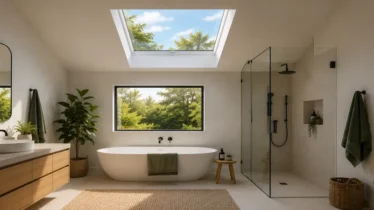
Skylight conversions are at the heart of this transformation, turning once-cramped spaces into functional sanctuaries that feel twice the size. Natural light reshapes architecture, adding not just visual impact but measurable value.
Reflection: “A single skylight can change how you see your home — and how your home sees you.”
Why skylight conversions are rising in popularity
Nelson’s architectural landscape — from weatherboard villas to mid-century brick homes — provides ideal conditions for skylight conversions. With so many houses built before open-plan layouts became standard, skylights bridge the gap between tradition and modern living.
Key reasons homeowners choose conversions:
- Unlock unused attic or mezzanine space.
- Increase usable floor area and resale appeal.
- Improve air quality and natural ventilation.
- Add daylight where side windows aren’t practical.
Local insight: In Richmond and Stoke, many homes are using double-slope roof skylights to flood stairwells and upper rooms with daylight — a cost-effective alternative to full extensions.
Light as the new dimension of space
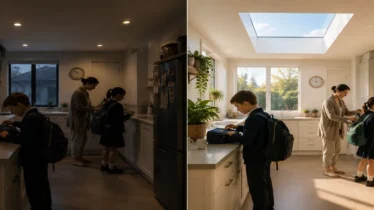
When designed strategically, skylights don’t just brighten — they expand. Studies show that well-lit interiors can feel up to 30% larger than artificially lit rooms. For attics or second-storey spaces, light defines dimension.
Design approaches for conversions:
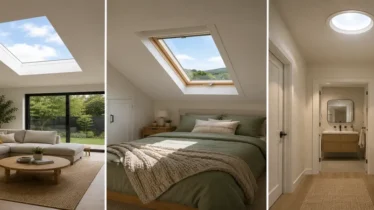
- Roof window skylights: Ideal for pitched roofs, offering both light and ventilation.
- Tubular skylights: Deliver daylight into narrow spaces like corridors or walk-ins.
- Atrium-style skylights: Create dramatic vertical space for loft or stairwell transformations.
Installer note: Combining vented skylights with structural roof insulation ensures balanced comfort in Nelson’s warm summers and cooler nights.
Analogy: Think of light as architecture’s most flexible material — invisible, yet shaping everything it touches.
Illustrative Example Only
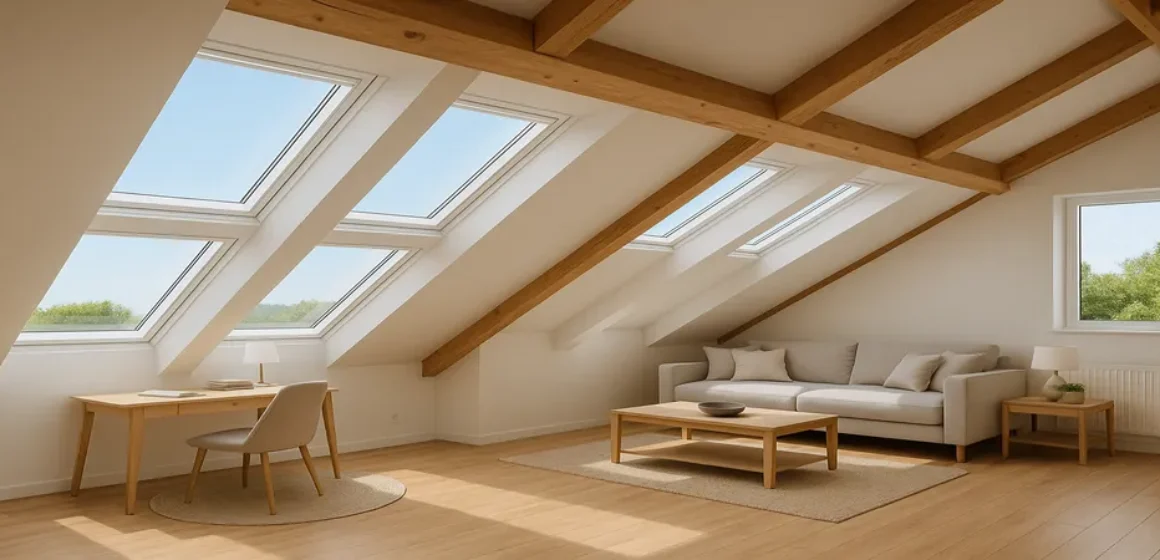
A Nelson South homeowner recently transformed an unused loft into a home office and reading nook. By adding two vented skylights and light wells aligned to the sun’s path, the formerly dark attic now feels expansive, airy, and connected to the surrounding hills.
The project required no extension — just smart use of daylight and design.
Outcome: The property valuation increased by approximately 12%, proving that intelligent skylight integration offers both aesthetic and financial rewards.
Value beyond brightness
Adding skylights isn’t just a renovation trend — it’s a property investment strategy. Modern buyers in Nelson and Tasman increasingly prioritise natural light, energy efficiency, and wellness-friendly interiors.
Return on investment factors:
- Daylight enhances perceived quality and comfort.
- Energy-efficient skylights lower household costs.
- Ventilation improves long-term home health ratings.
Sustainability note: Using Low-E or solar-powered skylights ensures any upgrade supports NZ’s Healthy Homes Standards and aligns with eco-conscious buyer expectations.
Design reflection: “Light doesn’t just add value — it multiplies it.”
Planning a skylight conversion
Before starting a conversion project, assessing structure, orientation, and material choice ensures success.
Pre-installation checklist:
- Inspect roof pitch and framing integrity.
- Select glazing suited for Nelson’s bright sunlight (diffused or tinted).
- Ensure ventilation capacity for attic heat management.
- Consult a certified installer familiar with NZ Building Code Clause E2 (External Moisture).
Practical advice: Always request before-and-after light modelling to visualise performance and ensure even daylight distribution.
Final thoughts
From attics to atriums, skylight conversions offer Nelson homeowners a way to reinvent their homes without expanding their footprint. It’s design that feels intuitive — unlocking value, comfort, and light all at once.
Explore skylight conversion options for Nelson and Tasman homes and see how natural light can create new dimensions of living.
FAQs
Can I add skylights to an existing attic conversion?
Yes. Skylights can be retrofitted into most roof types with minimal structural changes.
Will a skylight make my attic hotter?
Not if installed correctly. Modern skylights use Low-E glazing and vented systems to regulate heat.
How much value does a skylight conversion add?
Depending on design and scope, property value can increase by 8–15%.
Do I need council consent for skylight conversions?
Usually, yes — especially if altering roof framing or structure. Always consult your installer for guidance.
What’s the best skylight for small attic spaces?
Tubular or flat glass skylights are perfect for compact areas, offering maximum light with minimal roof impact.