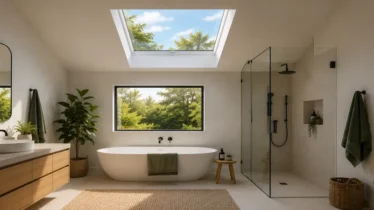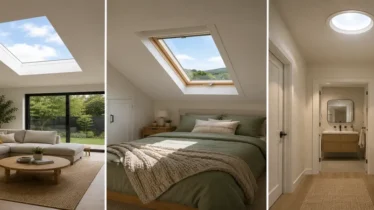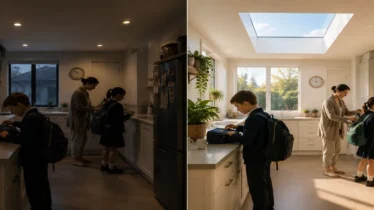
Glare-Free Brilliance: Skylight Solutions for Sunny Nelson Days
Nelson is famously known as New Zealand’s “sunshine capital.” With over 2,400 hours of sunlight each year, homes here glow with natural brightness — but sometimes, that abundance comes with a challenge.
Too much direct light can cause glare, overheating, or fading of interiors. The goal isn’t to block the sun — it’s to manage it gracefully. That’s where modern skylight design transforms bright Nelson homes into balanced, comfortable spaces.
Reflection: “True daylight design isn’t about brightness — it’s about control.”
Understanding the Nelson light dynamic
The region’s clear skies and high-angle summer sun mean light enters homes more directly than in many parts of New Zealand. Without protection, this can lead to glare on work surfaces, increased room temperatures, and UV exposure to furnishings.
Common homeowner concerns:
- Excessive glare in kitchens and living areas.
- Fading of wooden floors, fabrics, and artwork.
- Overheating in upper-level or north-facing rooms.
Local insight: In areas like Richmond and Tahunanui, the combination of reflection from Tasman Bay and direct roof exposure makes glare management essential for comfort.
Diffused glazing: light without harshness
The simplest way to manage Nelson’s bright light is through diffused or frosted glazing. These glazing types scatter light evenly across interiors, eliminating hotspots while maintaining luminosity.
Benefits of diffused skylight glazing:
- Spreads natural light softly and evenly.
- Reduces direct beam intensity by up to 60%.
- Maintains privacy while preserving clarity.
Design tip: For open-plan spaces or home offices, pairing opal acrylic domes or frosted Low-E glass with roof orientation analysis ensures steady daylight without visual fatigue.
Analogy: Think of diffused glazing as a “soft filter” for sunlight — bright but never blinding.
Smart shading systems
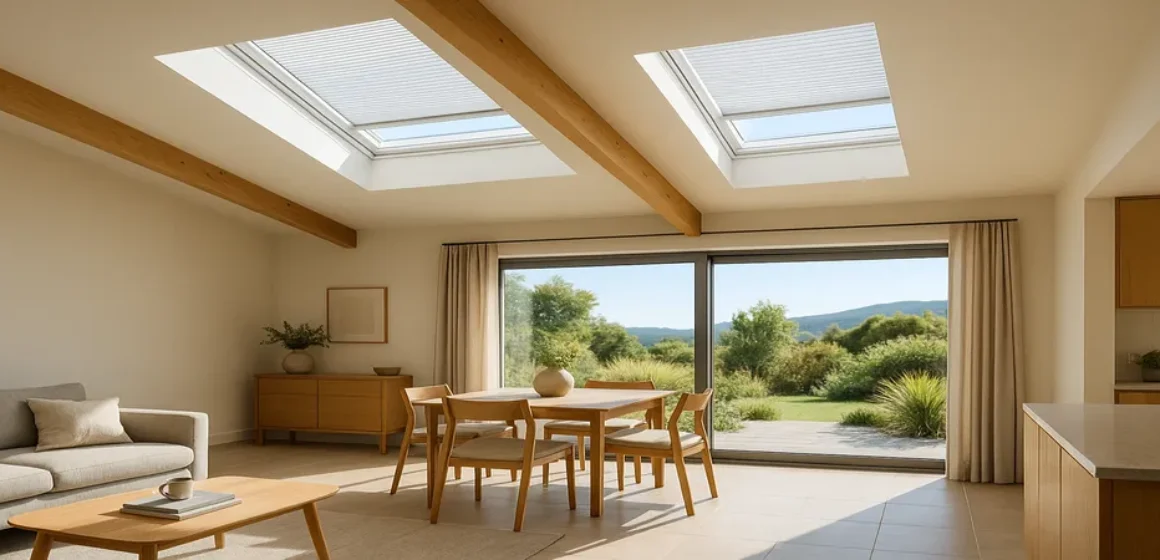
Technology adds another layer of control. Automated blinds and solar sensors give Nelson homeowners the ability to respond to changing daylight conditions throughout the day.
Smart shading solutions:
- Solar-powered blinds: Adjust automatically with sun intensity.
- Remote app control: Manage brightness levels without climbing ladders.
- Smart glass tinting: Adjusts transparency in real time to balance heat and glare.
Energy insight: In Nelson’s warm months, motorised skylight blinds can reduce indoor temperature rise by up to 35% without blocking all light.
Strategic placement and orientation
The effectiveness of any skylight depends on where it’s placed. For Nelson homes, the orientation of the roof plane and ceiling angle greatly affect light behaviour.
Optimal placement ideas:
- Install skylights on east- or south-facing roofs for diffused morning or reflected light.
- Avoid north-facing exposure unless paired with blinds or tinted glass.
- Use angled light shafts to direct sunlight deeper into rooms while softening impact.
Installer note: In Tasman Bay’s coastal homes, subtle angling of diffused skylights has proven highly effective for maintaining visual comfort throughout summer.
Materials that protect without compromise
The key to glare-free design lies in using materials that enhance natural light while protecting interiors.
Best material choices:
- Low-E coated glass: Reflects infrared heat while preserving visible light.
- UV-filtered acrylic: Prevents fading of flooring and artwork.
- Thermal seals: Keep interiors cool without limiting clarity.
Sustainability note: These technologies reduce the need for heavy window coverings or air conditioning — supporting energy-efficient living across Nelson homes.
Design reflection: “When sunlight is balanced, you don’t notice it — you feel it.”
Final thoughts
Nelson’s light is what makes the region extraordinary — bright, warm, and alive. With the right skylight solutions, homeowners can celebrate that light without compromise.
Discover glare-free skylight designs for Nelson homes and enjoy every ray in perfect balance.
FAQs
How can I reduce glare from skylights in summer?
Choose diffused or tinted glazing and consider solar-powered blinds to manage brightness.
Do tinted skylights make rooms darker?
No. Modern tints and coatings filter heat and glare while maintaining visible light levels.
What is the best skylight glazing for Nelson’s sunlight?
Opal acrylic or frosted Low-E glass works best for balancing brightness and comfort.
Can skylights fade furniture or floors?
Unfiltered light can, but UV-protected glazing prevents most fading and damage.
Are smart blinds worth it?
Yes. They provide effortless glare control and can reduce indoor heat build-up significantly.