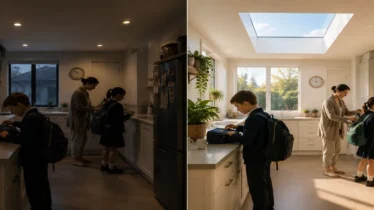
How to Maintain Skylight Performance Year-Round
Skylights are a powerful way to bring natural light into your home — but like any architectural feature, they require care to perform their best. A well-maintained skylight offers better light transmission, thermal efficiency, and weather resilience. This guide walks you through practical, seasonal skylight maintenance steps to protect your investment and ensure uninterrupted performance.
1. Start with a Visual Inspection
At least twice a year (ideally spring and autumn), conduct a visual inspection from inside and outside your home. Look for:
- Water staining or condensation between glazing layers
- Cracks or chips in the dome or glass
- Signs of mould, mildew, or peeling paint around the interior frame
- Discolouration or cloudiness on older acrylic domes
If you spot issues early, you can often resolve them with minor repairs rather than full replacements.
2. Clean the Skylight Surface
Frequency: Once or twice a year (or more often in dusty, coastal, or tree-covered areas).
Use a soft sponge or non-abrasive cloth with mild soapy water. Avoid harsh cleaners or abrasive tools that could damage coatings or the surface.
Pro tip: Clean on a cool, overcast day to avoid streaks and soap drying too quickly.
3. Check Flashings and Seals
The most common cause of skylight leaks? Failed flashings or deteriorated seals.
- Check that the flashing around the skylight is firmly in place, with no gaps, warping, or lifting.
- Inspect rubber gaskets or sealants for cracking, shrinking, or detachment.
- Remove debris like leaves or moss from around the flashing.
If you’re unsure whether the flashing is intact, a licensed roofer or installer can perform a professional check.
4. Remove Debris and Maintain Surroundings
Especially during autumn, it’s essential to keep the roof area around your skylight clear:
- Clear fallen leaves and branches regularly
- Trim overhanging trees to prevent shading and roof impact
- Ensure gutters and downpipes are free-flowing
Blocked drainage can cause water pooling, which increases the risk of leaks.
5. Ventilation Function Check (For Vented Skylights)
If you have a manually or electrically vented skylight:
- Open and close it monthly to ensure the mechanism doesn’t stick or seize
- Check the rain sensor (if installed) is functioning correctly
- Wipe down internal insect screens or filters
6. Monitor Interior Condensation
Some condensation during cold months is normal, especially in kitchens and bathrooms. But if you’re seeing regular moisture or mould, it’s worth checking:
- If ventilation is adequate (rangehoods, extractors, windows)
- Whether the skylight glazing has failed or become thermally inefficient
Upgrading to newer models with better insulation properties may be a long-term fix.
7. Know When to Call an Expert
If you notice any of the following, don’t wait:
- Persistent water leaks or staining
- Drafts or unexplained heat loss
- Cracks, warping, or dislodged components
- Difficulty operating vents or blinds
Qualified skylight professionals can assess whether a simple repair or full replacement is the best solution.
Keep Your Skylight Performing for Years to Come
With a little seasonal attention, your skylight can deliver natural light, comfort, and energy efficiency for decades. Regular cleaning, proactive inspections, and timely servicing are all it takes.