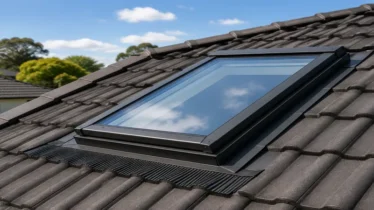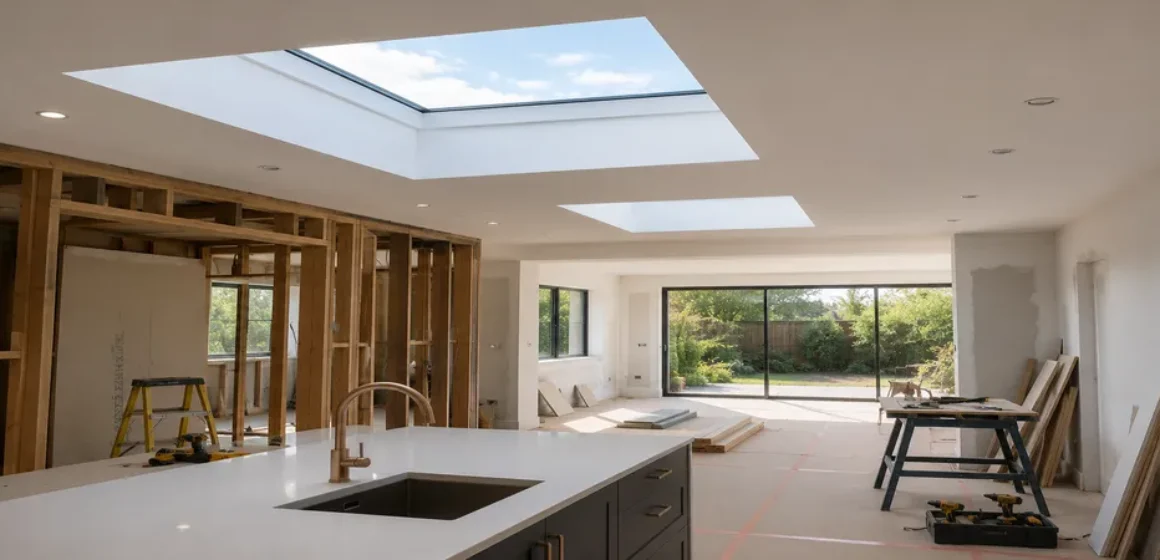
Planning Skylights During a Waikato Renovation: Why Timing Matters
A renovation is one of the best times to think about skylights.
The ceiling may already be changing. The roof may be accessible. Rooms may be stripped back. Lighting, insulation, plastering, painting, cabinetry and ventilation may already be part of the project. If daylight is planned early, a skylight can often be integrated more cleanly into the room design.
But if skylight planning is left too late, the opposite can happen.
The best ceiling position may already be taken by lights, ducting or cabinetry. The roof work may already be finished. Painting may need to be repeated. A kitchen island may end up in the wrong place for daylight. A bathroom layout may be completed before ventilation and skylight placement are considered. A hallway may still feel dark after the renovation because overhead daylight was not included at the planning stage.
For homeowners considering a renovation skylight Waikato project, timing matters.
A skylight is not only a product decision. It affects roof work, ceiling work, internal finishing, electrical layout, room design, access, quote accuracy and sometimes consent or compliance considerations.
This guide explains why Waikato homeowners should plan skylights early during renovations and what details help Skylights NZ recommend the right option.
Why renovation is the right time to think about daylight
Renovation gives homeowners a rare chance to improve how a room feels, not just how it looks.
Many renovation decisions focus on finishes: tiles, paint, benchtops, flooring, cabinetry, tapware and lighting. These are important, but daylight should be considered just as early.
Natural light affects how the finished room will feel every day.
A renovation may be a good time to consider a skylight if:
- The room feels dark during the day
- The ceiling is already being opened
- The roof is being repaired or replaced
- The room layout is changing
- Walls are being moved
- A bathroom, kitchen or laundry is being upgraded
- A garage is being converted
- A hallway or entry feels enclosed
- Artificial lighting is being redesigned
- Plastering or painting is already planned
- Access equipment may already be on site
A skylight planned early can feel like part of the renovation.
A skylight added late can feel like an afterthought.
The earlier daylight is discussed, the better the final result is likely to be.
The cost of thinking about skylights too late
Late skylight planning can create unnecessary compromise.
If the renovation is already finished, a skylight may still be possible. But the best position may be harder to achieve, and extra work may be needed.
Late planning can lead to:
- Re-cutting finished ceilings
- Moving or working around new downlights
- Adjusting ducting after it has been installed
- Repainting freshly painted ceilings
- Working around new cabinetry
- Choosing a less ideal skylight position
- Missing the chance to coordinate with roof work
- Needing extra internal finishing
- Creating more disruption in a finished room
- Increasing the risk of quote changes
This does not mean skylights must always be installed before every other trade.
It means they should be discussed early enough that the renovation can allow for them.
A skylight should be part of the planning conversation, not a decision made after the room is complete and still feels dark.
Start with the room problem, not the product
During renovation, it is easy to jump straight to the product.
But the better starting point is the room problem.
Ask:
- Which room feels dark?
- Where does daylight fail to reach?
- Is the issue worse in winter?
- Is the room being used differently after renovation?
- Will walls, windows, doors or cabinetry change?
- Is the goal daylight only, or daylight and airflow?
- Will privacy, glare or blinds matter?
- Will the room be used for cooking, sleeping, working, bathing or relaxing?
- Is a fixed skylight, vented skylight, tubular skylight or Sky tube likely to suit the room?
- Does the roof above support the preferred location?
A skylight should solve a specific problem.
For example, a kitchen renovation may not need a skylight in the centre of the room. It may need daylight over the island. A bathroom renovation may not need a large skylight. It may need practical daylight plus separate ventilation planning. A hallway renovation may suit a tubular skylight or Sky tube rather than a fixed skylight.
The room problem should guide the product.
Kitchen renovations and skylight timing
Kitchen renovations are a strong time to consider skylights because layout, lighting, cabinetry and ceiling work are often changing together.
A kitchen skylight may be worth discussing early if:
- The island needs better daylight
- The preparation bench feels dull
- The kitchen sits away from windows
- A scullery or pantry has no natural light
- The room is becoming open-plan
- The ceiling lighting is being redesigned
- Rangehood ducting is being installed or moved
- The kitchen connects to a darker dining or living area
- The renovation includes plastering or painting
Timing matters because kitchen skylight placement can be affected by:
- Island position
- Pendant lights
- Downlights
- Rangehood ducts
- Ceiling speakers
- Cabinetry height
- Scullery walls
- Roof structure
- Internal shaft design
- Glare on benchtops
- Blind requirements
If the skylight is planned after the kitchen is installed, the best position may already be compromised.
A good kitchen renovation should consider daylight, artificial lighting and ventilation together.
Bathroom renovations and skylight timing
Bathroom renovations are another strong opportunity for skylight planning.
Bathrooms often involve privacy, moisture, ventilation, ceiling work, extraction, lighting, waterproofing, tiling and internal finishing. If a skylight is being considered, it should be discussed before the ceiling and ventilation layout are finalised.
A bathroom skylight may be worth considering if:
- The bathroom has no useful window
- Privacy limits wall-window daylight
- The shower or vanity area feels dark
- The room feels enclosed
- The bathroom is being fully renovated
- The ceiling is being opened or relined
- Extraction is being upgraded
- Lighting and heating are being redesigned
The right product may vary.
A fixed skylight may suit a bathroom where daylight is the main issue.
A vented skylight may be discussed where airflow is also a genuine concern.
A tubular skylight or Sky tube may suit a compact bathroom, ensuite or separate toilet.
However, daylight and ventilation should not be confused.
A skylight can improve brightness. A vented skylight may support airflow. But bathroom extraction, heating and moisture control may still need proper planning.
During renovation, these decisions are easier to coordinate before the room is finished.
Laundry renovations and skylight timing
Laundries are often small, internal or tucked beside garages, back doors and hallways.
During a laundry renovation, homeowners may focus on storage, bench space, appliances, flooring and plumbing. Daylight is sometimes forgotten until the finished room still feels dull.
A laundry skylight may be worth discussing if:
- The laundry has no useful window
- The room feels dark during the day
- The laundry is internal
- The laundry is being converted into a better utility space
- Cabinetry and bench space are being added
- The ceiling is being worked on
- Ventilation or dryer ducting is being reviewed
- The laundry connects to a dark hallway or garage entry
A tubular skylight or Sky tube may suit compact laundries and laundry cupboards. A fixed skylight may suit a larger laundry, mudroom or utility room. A vented skylight may be discussed only where airflow is genuinely part of the concern.
Moisture should be handled separately. Dryer ventilation, wet washing, extraction and airflow need proper planning.
A laundry skylight should improve practical daytime use, not pretend to solve every moisture issue.
Hallway and entry renovations
Hallways and entries are often renovated cosmetically without solving the daylight problem.
New paint, flooring and lighting can help. But if the hallway has no natural daylight, it may still need the light on during the day.
A hallway or entry skylight may be worth considering during renovation if:
- The hallway is internal
- The middle section feels dark
- Bedroom doors reduce borrowed light
- The entry feels flat in winter
- The hallway is being repainted or relined
- Downlights are being added
- Flooring or ceiling work is planned
- The hallway connects to a dark bathroom, laundry or garage entry
A tubular skylight or Sky tube often suits hallways because the goal is practical daytime brightness rather than a major roof opening. A fixed skylight may suit wider entries or feature hallways where stronger daylight is wanted.
Timing matters because downlights, smoke alarms, vents and access panels can affect diffuser or skylight placement.
If the ceiling is being repainted anyway, it may be sensible to consider overhead daylight before final finishing.
Garage conversions and skylight timing
Garage conversions need careful planning.
Changing a garage into a bedroom, office, rumpus room, studio or living space can involve building code, insulation, ventilation, heating, moisture, windows, access, ceiling work, flooring and compliance considerations.
A skylight may be worth discussing early if:
- The converted room has limited wall windows
- Privacy limits window placement
- The room feels like a former garage
- The ceiling feels low or enclosed
- The room will be used as an office, bedroom or living space
- The old garage door is being replaced with a wall or window
- The roof and ceiling are being modified
- The renovation is still in design stage
A fixed skylight may suit larger converted rooms where stronger daylight is needed. A tubular skylight or Sky tube may suit compact internal zones, storage areas or bathroom additions. A vented skylight may be discussed where airflow is genuinely needed.
A skylight should be part of the wider conversion plan.
It does not replace proper advice on consent, insulation, ventilation, moisture or compliance.
Open-plan renovation and daylight planning
Many Waikato renovations open up kitchens, dining areas and living rooms.
Removing walls can improve flow, but it does not automatically create balanced daylight. Sometimes one zone remains dull even after the space becomes larger and more open.
A skylight may be worth considering if:
- The kitchen island sits away from windows
- The dining area feels flat
- The living area sits deeper in the room
- A covered deck or patio reduces side light
- The room has a dark centre
- The renovation includes ceiling changes
- Lighting is being redesigned
- The homeowner wants the finished room to feel naturally brighter
Open-plan skylights need careful placement because one skylight can affect several zones.
Consider:
- Kitchen island position
- Dining table position
- Television wall
- Seating layout
- Glare
- Blinds
- Ceiling height
- Roof structure
- Artificial lighting
- Summer comfort
The best time to plan this is before the open-plan layout is locked in.
Daylight should be part of the room design, not an afterthought.
Bedroom and home office renovations
Bedrooms and home offices often change function over time.
A bedroom may become a nursery, guest room, study, dressing room or hybrid work-from-home space. A spare room may need to support both sleeping and working. A dark bedroom may feel acceptable at night but poor during the day.
A skylight may be worth considering during renovation if:
- The bedroom is also used as an office
- The room has limited window daylight
- Privacy restricts window use
- The room feels flat in winter
- A walk-in wardrobe is being added
- The ceiling and lighting are being changed
- The homeowner wants better daylight without changing wall windows
For bedrooms, light control matters.
A fixed skylight may need blinds. A vented skylight may be discussed if airflow is genuinely needed. A tubular skylight or Sky tube may suit a wardrobe, dressing area or compact room where softer daylight is enough.
For offices, screen glare and desk position matter.
Planning before furniture and lighting are finalised can prevent problems later.
Roof replacement and skylight timing
If the roof is being replaced or repaired, it is a key time to think about skylights.
This is especially true if the home already has an old skylight, dome or roof window. Replacing or upgrading the skylight during roof work may help coordinate flashing, access and weathertightness.
It may be worth discussing skylights before roof work if:
- The roof is being replaced
- The roof is being repaired
- An old skylight is leaking or dated
- A new skylight is being considered
- Scaffolding or access equipment will already be on site
- Flashings need to be coordinated
- The homeowner wants to avoid future double-handling
A roof replacement can change the practical timing of skylight installation.
If the roof is completed first and the skylight is requested later, the work may involve revisiting newly finished roofing.
Good planning avoids unnecessary repetition.
If skylights are part of the long-term plan, discuss them before roofing work is finalised.
Ceiling work and skylight timing
Ceiling work is one of the most important reasons to plan skylights early.
Skylight installation may involve ceiling openings, diffusers, shafts, plastering, trimming or painting. Even tubular skylights and Sky tubes need ceiling placement.
If ceiling work is already happening, skylight planning can be coordinated with:
- Plasterboard replacement
- Ceiling insulation
- Downlight layout
- Electrical wiring
- Ventilation ducts
- Speaker wiring
- Access panels
- Painting
- Ceiling repairs
- Bulkheads
- Raked ceiling changes
If the ceiling is finished first, adding a skylight later may require cutting into new work, moving fittings or repainting.
This does not always make the project impossible. It simply makes coordination less efficient.
When ceilings are part of the renovation, skylight decisions should be made early.
Electrical and lighting layout
Skylights and artificial lighting should be planned together.
A renovated room still needs artificial lighting for evenings, dark days and task use. But if a skylight is added, the artificial lighting layout may change.
Consider:
- Downlight placement
- Pendant lights
- Task lighting
- Bathroom lights
- Kitchen island lights
- Hallway lighting
- Sensor lights
- Wall lights
- Bedroom reading lights
- Office lighting
- Switch positions
- Dimmers
- Wiring near skylight locations
A skylight placed after lighting is finalised may clash with downlights, wiring, fans or vents. A lighting plan designed without daylight may also over-light the room or miss opportunities for better balance.
Natural light and artificial light should support each other.
In renovation, this is easiest when discussed early.
Ventilation, extraction and skylights
Ventilation should be considered separately from daylight.
This is especially important in:
- Bathrooms
- Laundries
- Kitchens
- Garage conversions
- Internal rooms
- Bedrooms with poor airflow
- Rooms with condensation or moisture concerns
A fixed skylight improves daylight but does not open.
A tubular skylight or Sky tube improves daylight but does not ventilate the room by itself.
A vented skylight may support airflow in suitable situations, but it should not replace all ventilation planning.
During renovation, ventilation may involve:
- Extractor fans
- Rangehood ducting
- Dryer ducting
- Opening windows
- Mechanical ventilation
- Heat transfer systems
- Moisture control
- Airflow between rooms
- Compliance considerations
A skylight may be one part of the conversation, but not the whole answer.
Good renovation planning keeps daylight and ventilation clear.
Internal finishing, plastering and painting
Skylight work may affect internal finishing.
Depending on the product and room, the finish may involve:
- Ceiling trimming
- Plastering
- Painting
- Shaft lining
- Diffuser fitting
- Making good around the opening
- Matching ceiling texture
- Coordinating with new paint
- Repairing old ceiling marks
- Integrating blinds or controls
If plastering and painting are already part of the renovation, skylight work may be easier to coordinate.
If the room has just been painted, adding a skylight later may require touching up or repainting sections of the ceiling.
Before approving work, homeowners should confirm:
- Is plastering included?
- Is painting included?
- Is internal finishing included?
- Is electrical work included?
- Are ceiling repairs included?
- Are exclusions clearly stated?
A good quote should be clear about what the homeowner receives inside the room.
Cabinetry, joinery and skylight placement
Renovation often includes cabinetry.
This is especially important in:
- Kitchens
- Pantries
- Sculleries
- Laundries
- Walk-in wardrobes
- Bathrooms
- Mudrooms
- Storage rooms
- Home offices
Cabinetry can affect skylight usefulness.
For example:
- A skylight placed over tall cabinetry may not help the work surface
- A pantry diffuser should support shelves, not only the doorway
- A laundry skylight should help the bench or appliance zone
- A wardrobe skylight should avoid harsh light on clothes
- A bathroom skylight should work with vanity, shower and privacy needs
- A kitchen skylight should support the island or preparation zone
If cabinetry is planned before daylight, the skylight may end up in a less useful location.
During renovation, daylight and joinery should be considered together.
This is especially important in high-use rooms.
Blinds and light control
Some renovated rooms may need skylight blinds or light control.
This may apply to:
- Bedrooms
- Nurseries
- Home offices
- Living rooms
- Media rooms
- Open-plan spaces
- Dining areas
- Rooms with strong summer exposure
- Rooms with television or screen use
Light control should be discussed early, not after the room is finished.
A skylight that feels perfect in winter may feel too bright in summer if blinds were not considered. A bedroom skylight may improve daytime use but affect sleep if light control is missing. A home office skylight may improve daylight but create screen glare if placement and blinds are ignored.
Not every skylight needs blinds.
But if the room use suggests light control matters, it should be part of the quote discussion.
Consent and compliance considerations
Some renovation projects may require consent, professional advice or compliance review.
This depends on the scope of the work, the building, structural changes, roof changes, room use and local requirements. A skylight installed as part of a larger renovation may need to be considered within that broader project.
This is especially relevant for:
- Garage conversions
- Bathroom additions
- Major roof alterations
- Structural changes
- New habitable rooms
- Larger renovation projects
- Changes to ventilation or room use
Homeowners should confirm with appropriate professionals whether consent or compliance matters apply to their project.
A skylight quote should also be clear about what is included and excluded.
If consent, engineering, electrical, plumbing, painting, plastering or other trades are not included, that should be stated.
Clarity prevents misunderstandings later.
Staging skylight work during renovation
A skylight may not always be installed in one simple step.
Depending on the renovation, work may need to be staged around:
- Roof work
- Framing
- Ceiling lining
- Electrical rough-in
- Ducting
- Insulation
- Plastering
- Painting
- Cabinetry
- Waterproofing
- Flooring
- Final fit-off
For example, a bathroom skylight may need to be planned before ceiling lining and extraction are finalised. A kitchen skylight may need to be coordinated before cabinetry and pendant lighting are fixed. A roof replacement may be the right moment for flashing coordination.
Staging should be discussed early.
This helps reduce rework and makes the final finish cleaner.
A skylight is not always just a single isolated trade visit when part of a larger renovation.
What affects cost during a renovation?
A renovation skylight quote may be affected by:
- Product type
- Skylight size
- Fixed, vented or tubular option
- Roof type
- Roof pitch
- Flashing requirements
- Ceiling structure
- Internal finishing
- Whether plastering or painting is already planned
- Whether electrical work is needed
- Whether ducting or lights need relocation
- Whether cabinetry affects placement
- Whether access equipment is already on site
- Whether roof work is happening at the same time
- Whether the skylight is new or replacing an old one
- Whether the work is staged
- Location within Waikato
A renovation can sometimes make skylight work easier to coordinate. It can also make it more complex if decisions are made late or multiple trades are involved.
The quote should reflect the real project conditions.
What photos and details help during renovation planning?
For a renovation skylight enquiry, send:
- Current room photos
- Photos of the ceiling
- Photos of the roof above or near the room, if safe
- Photos of the darkest area
- Any renovation plans, drawings or sketches
- Proposed room layout
- Cabinetry or joinery plans, if available
- Lighting plan, if available
- Location of rangehoods, extractor fans or ducting
- Whether the ceiling will be opened
- Whether roof work is planned
- Whether plastering or painting is included in the renovation
- Whether the room needs daylight only or airflow as well
- Whether blinds or light control are important
- Your Waikato location
- Desired timing or project stage
You do not need perfect plans to start the discussion.
Even early sketches and photos can help identify whether a skylight should be part of the renovation plan.
Common mistakes when planning skylights during renovation
Leaving skylights until after the room is finished
This can create rework and limit placement options.
Planning artificial lighting without considering daylight
Natural light and electric lighting should work together.
Forgetting the roof
The preferred ceiling location must also work on the roof.
Ignoring ducting and services
Rangehoods, extractors, wiring and vents can affect placement.
Choosing the product too early
The room problem should guide whether the solution is fixed, vented, tubular or a Sky tube.
Forgetting blinds
Bedrooms, offices and living rooms may need light control.
Treating ventilation and daylight as the same issue
They are related in some rooms but should be planned separately.
Not coordinating with painters and plasterers
Internal finishing can affect timing and cost.
Avoiding these mistakes helps the renovation finish cleaner and perform better.
When a skylight may not be the first renovation priority
A skylight may not be the first answer in every renovation.
Other work may need to come first if:
- The roof is in poor condition
- The room layout is not yet decided
- Ventilation or moisture is the main concern
- Artificial lighting would solve the issue more effectively
- The ceiling cavity is too obstructed
- The preferred location creates glare
- The project budget needs prioritising elsewhere
- Compliance or structural advice is needed first
- The room will mostly be used at night
- The homeowner is unsure how the space will be used
A skylight can be a valuable upgrade, but it should be chosen because it improves the room in a practical way.
The right sequence matters.
Sometimes the answer is to plan the skylight now and install later. Sometimes it is to finalise the room layout first. Sometimes it is to solve roof or ventilation issues before daylight.
A good recommendation should be honest about the order.
Illustrative example only
A Waikato homeowner is renovating a kitchen and open-plan living area. The new kitchen island will sit in the centre of the room, away from the main windows. The ceiling is being repainted, new downlights are planned, and the rangehood ducting is being moved.
The homeowner asks about adding a skylight after the cabinetry quote has already been approved.
A fixed skylight may be a good option if the island needs better daylight, but the skylight should be coordinated before the downlights, pendant lights and ducting are finalised. If the skylight is left until after the ceiling is painted and lights are installed, the best placement may be harder and internal finishing may need rework.
In another Waikato home, a bathroom renovation includes a new ceiling, extractor fan and shower layout. A tubular skylight, fixed skylight or vented skylight may each be considered depending on whether the main issue is daylight, airflow or both.
In both cases, timing affects the final outcome.
The best renovation skylight outcome
The best result is not just adding daylight.
It is integrating daylight into the renovation properly.
A good outcome may mean:
- The room receives daylight where it is needed
- The skylight works with the roof and ceiling structure
- Artificial lighting is coordinated with natural light
- Ducting, wiring and cabinetry do not clash with placement
- Plastering and painting are timed efficiently
- Ventilation is handled separately where needed
- Blinds or light control are considered early
- The quote explains inclusions and exclusions
- The finished room feels intentional, not patched later
A renovation is a chance to make the home work better.
Skylight planning should be part of that conversation before the final finishes are locked in.
Planning your next step
If you are planning a renovation in Waikato and are considering a skylight, the best time to ask is before the ceiling, lighting, roof work, ducting, plastering and painting are finalised.
Skylights NZ can help review whether a fixed skylight, vented skylight, tubular skylight or Sky tube may suit your room, roof type, ceiling layout and renovation stage.
To start planning your options, use the Skylights NZ enquiry form:
https://inquiry.skylights.co.nz/inquiry
You may also find these useful:
- Skylight installation services
- Request a skylight quote
- Skylight options for NZ homes
- Skylight Installation Cost in Waikato: What Affects the Final Quote?
- Getting a Skylight Quote in Waikato: What Photos and Details Help Us Recommend the Right Option
- Metal Roof Skylights in Hamilton Homes: What Homeowners Should Know Before Installing
- Tile Roof Skylights in Cambridge Homes: Flashing, Placement and Product Suitability
FAQs
When should I plan a skylight during a Waikato renovation?
It is best to plan a skylight early, before ceiling work, lighting, ducting, plastering, painting, cabinetry and roof work are finalised. Early planning helps avoid rework and improves placement options.
Is renovation a good time to install a skylight?
Yes, renovation can be a good time to install a skylight because ceilings, roofs, lighting, insulation and internal finishing may already be part of the project. This can make coordination easier if planned early.
What type of skylight suits a renovation?
The right option depends on the room. A fixed skylight may suit kitchens, living rooms and larger spaces. A vented skylight may suit rooms where airflow is also needed. A tubular skylight or Sky tube may suit hallways, toilets, wardrobes, pantries and compact internal rooms.
Should skylights be planned before electrical work?
Yes, skylights should ideally be discussed before downlights, pendant lights, extractor fans, ducting and wiring are finalised. This helps avoid clashes and allows natural and artificial lighting to work together.
Do skylights affect plastering and painting?
They can. Depending on the product and installation, skylight work may involve ceiling openings, shafts, trimming, plastering or painting. Homeowners should confirm whether internal finishing, plastering and painting are included or excluded in the quote.
What should I send for a renovation skylight quote?
Send current room photos, ceiling photos, roof photos if safe, renovation plans or sketches, proposed layout, lighting or cabinetry plans if available, and details about whether the room needs daylight only or airflow as well.