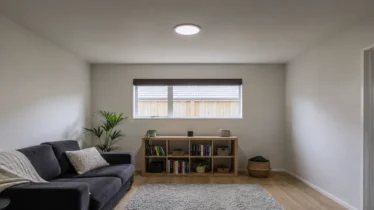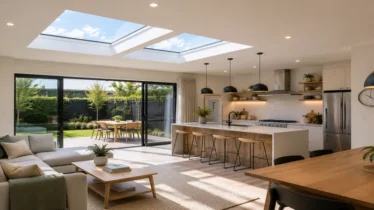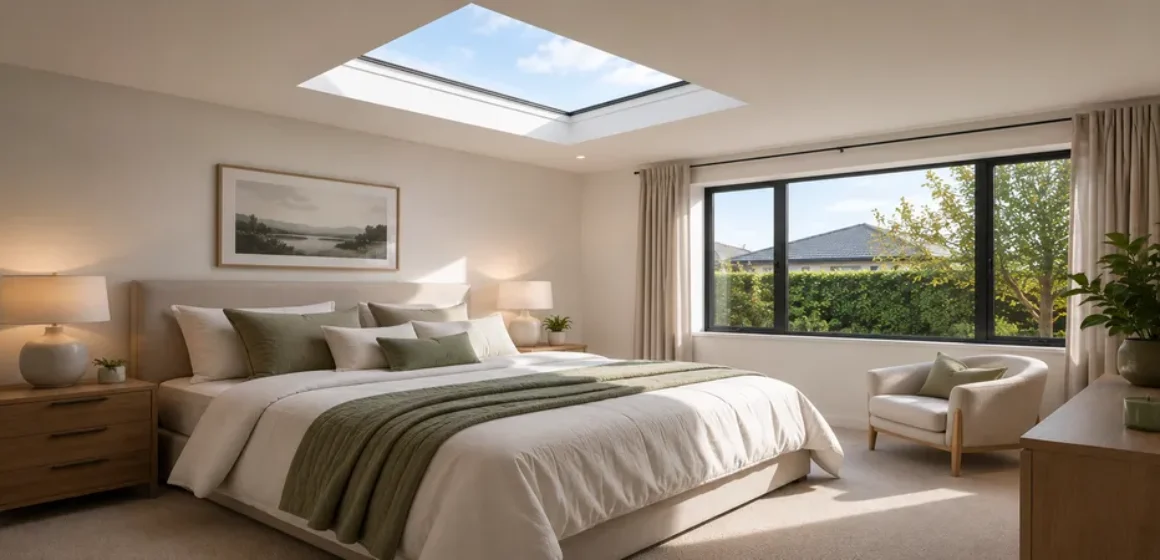
Bedroom Skylights in Hamilton Homes: Daylight, Privacy and Light Control
A bedroom is not just a place to sleep.
It may be used for reading, dressing, working, resting, helping children settle, folding washing, hosting guests, or creating a quiet space away from the rest of the home. In many Hamilton homes, a bedroom can also become a nursery, spare room, study, guest room or multi-purpose space over time.
That is why poor daylight in a bedroom can matter more than people expect.
A bedroom may technically have a window, but still feel dull during the day. The window may face a fence, neighbouring house, side path, driveway or shaded garden. Curtains or blinds may stay partly closed for privacy. A south-facing bedroom may feel flat in winter. A spare room may feel like storage because it does not receive enough natural light. A child’s room may feel less usable for daytime play or homework.
For homeowners considering a bedroom skylight Hamilton project, the decision needs careful thinking.
A bedroom skylight can improve natural daylight in the right room, but bedrooms also need privacy, sleep comfort, light control, glare management and year-round comfort. A fixed skylight may suit some bedrooms. A vented skylight may be worth considering where airflow is also a concern. A tubular skylight or Sky tube may suit dressing areas, walk-in wardrobes or smaller bedroom zones where subtle daylight is enough.
The goal is not simply to make the room brighter.
The goal is to make the bedroom more usable during the day without creating problems at night, early morning or summer.
This guide explains how to think clearly about bedroom skylights in Hamilton homes before making an enquiry.
Why bedroom daylight matters
Bedrooms are often judged at the wrong time.
People think of them mainly as night-time rooms. Because of that, poor daytime daylight can be ignored for years. But bedrooms are often used during the day, especially in family homes, shared homes and homes where space has to work harder.
A bedroom may be used for:
- Getting ready in the morning
- Reading
- Children’s play
- Homework
- Working from home
- Guest accommodation
- Folding laundry
- Nursing or settling a baby
- Quiet rest during the day
- Storage and wardrobe use
- A study or hobby corner
If the room lacks useful daylight, it can feel less pleasant and less flexible.
Common signs include:
- The bedroom light is used during the day
- The room feels dull in winter
- The window light does not reach the main part of the room
- The curtains or blinds stay partly closed for privacy
- The room feels cold-looking because it is shaded
- The bedroom is avoided during the day
- A spare room feels like a storage room
- A child’s room feels less inviting for play or reading
- The wardrobe or dressing area is hard to use in natural light
A skylight may help some bedrooms feel more natural and usable, but the room’s purpose must come first.
A bedroom is a comfort space. Daylight should improve that comfort, not disrupt it.
Hamilton bedrooms and privacy-limited windows
Many Hamilton bedrooms have windows that provide privacy challenges.
A window may face:
- A side boundary
- A neighbouring home
- A driveway
- A shared path
- A fence
- A deck
- A street frontage
- A narrow outdoor space
- Another window
To maintain privacy, curtains or blinds may stay partly closed during the day. This reduces useful daylight even when the room technically has a window.
This is one of the reasons a bedroom skylight can be worth considering.
Overhead daylight may reduce reliance on a side-facing window. It can help the room feel brighter while privacy remains more controlled.
However, privacy still needs thought.
A skylight may have better privacy than a wall window in many situations, but surrounding properties, roof pitch, hillside views, upper-level neighbours, glazing and blind options may all matter.
The question is not only, “Can we add daylight?”
It is also, “Can we add daylight while keeping the bedroom comfortable and private?”
The winter bedroom problem
Winter often reveals bedroom daylight problems clearly.
In June, July and August, bedrooms on the shaded side of a Hamilton home can feel noticeably dull. The room may take longer to brighten in the morning and feel flat by mid-afternoon. If curtains or blinds are partly closed for warmth or privacy, natural light may be even more limited.
This can affect:
- Spare bedrooms
- Children’s bedrooms
- South-facing bedrooms
- Bedrooms beside fences or neighbouring homes
- Guest rooms
- Bedrooms used as offices
- Rooms with small windows
- Bedrooms connected to dark hallways
- Rooms with darker flooring or furniture
A bedroom that feels fine in summer may feel less pleasant in winter. The issue may not be dramatic, but it can still affect how the room is used.
A skylight, tubular skylight or Sky tube may be worth considering when the room regularly needs artificial lighting during the day and the roof and ceiling layout are suitable.
But winter should not be the only season considered.
A good bedroom skylight needs to work in summer too.
Daylight and sleep comfort must be balanced
Bedroom skylight planning needs more care than hallway or laundry skylight planning.
A hallway mainly needs practical daylight.
A laundry needs utility brightness.
A bathroom needs daylight, privacy and ventilation thinking.
A bedroom needs daylight and sleep comfort.
This changes the decision.
A skylight can make a bedroom feel brighter and more open during the day, but too much light at the wrong time can be uncomfortable. Early morning brightness, summer light, glare and heat should all be considered.
Before choosing a bedroom skylight, ask:
- Is the room used mainly for sleeping or also during the day?
- Is the room a child’s bedroom, guest room, study or nursery?
- Would early morning light be a problem?
- Would blinds be needed?
- Where is the bed positioned?
- Would light fall directly across the pillow area?
- Does the room already become warm in summer?
- Is privacy a concern?
- Is the main issue daylight, airflow or both?
A bedroom skylight should make the room feel better, not less restful.
When a fixed skylight may suit a bedroom
A fixed skylight may suit a bedroom where the main issue is poor natural daylight and the homeowner wants the room to feel brighter and more open during the day.
It may be worth considering when:
- The bedroom is used during the day
- The existing window is small or shaded
- Privacy limits window daylight
- The room feels dull in winter
- The bedroom is also used as a study or guest room
- The ceiling and roof layout are suitable
- Blinds or light control can be considered where needed
- Ventilation is already adequate or managed separately
A fixed skylight can bring overhead daylight into the bedroom and help the room feel less enclosed.
However, it does not provide airflow. It also needs careful thought around glare, light control and placement.
In a bedroom, a fixed skylight should not be placed without thinking about the bed, wardrobe, desk, windows and daily routine.
For some rooms, a fixed skylight may be a good option. For others, a tubular skylight or Sky tube may be more restrained and practical.
When a vented skylight may be worth considering
A vented skylight may be relevant when a bedroom needs daylight and airflow.
This may apply to:
- Upper-level bedrooms
- Bedrooms that feel stuffy
- Rooms with limited window opening
- Loft-style bedrooms
- Bedrooms with raked ceilings
- Rooms where warm air gathers near the ceiling
- Bedrooms where natural airflow is part of the desired improvement
A vented skylight can support airflow in suitable conditions. It may help release warm or stale air when opened.
However, a vented skylight needs careful practical planning.
Ask:
- Would it actually be opened regularly?
- Can it be operated easily?
- Would manual operation be practical?
- Would powered or solar operation be worth discussing?
- Is rain exposure a concern?
- Would a rain sensor or control option be useful?
- Is the room used by children?
- Is security or privacy a concern?
- Would airflow solve a real issue?
A vented skylight can be valuable, but only when the extra function is genuinely needed.
If the room mainly needs daylight, a fixed skylight, tubular skylight or Sky tube may be more suitable.
When a tubular skylight or Sky tube may be better
A tubular skylight or Sky tube may suit some bedrooms, especially where the room needs softer practical daylight rather than a large visible skylight.
This may be useful for:
- Small bedrooms
- Spare rooms
- Guest rooms
- Bedroom corners
- Dressing areas
- Walk-in wardrobes
- Rooms where a full skylight would feel too visually strong
- Rooms where light control is important
- Bedrooms where subtle daylight is enough
A tubular skylight brings daylight from the roof through a reflective tube and delivers it through a ceiling diffuser. It usually provides a more contained daylight effect than a larger fixed skylight.
For some bedrooms, this is a better match.
The homeowner may not want a strong overhead feature. They may simply want the room to feel less dull during the day.
A tubular skylight or Sky tube does not provide ventilation by itself. If airflow is also a concern, that needs separate discussion.
Tube path, roof type, ceiling position, bends and obstructions also need assessment.
Bedroom skylight placement
Placement is one of the most important decisions.
In a bedroom, daylight should support the room without disturbing comfort.
Consider placing daylight near:
- A dressing area
- A reading corner
- A desk
- A darker side of the room
- A wardrobe entrance
- A central area, if balanced daylight is wanted
- A guest-room zone that feels dull
- A child’s play or homework area
Be careful with placement directly above the bed. In some rooms it may work, especially with blinds or careful product selection. In others, it may create unwanted early light, glare or discomfort.
Also consider:
- Bed position
- Pillow direction
- Wardrobe doors
- Desk position
- Existing windows
- Ceiling lights
- Ceiling fans
- Air vents
- Roof structure above
- Summer sun
- Privacy from neighbouring properties
The skylight should feel integrated into the room.
It should not feel like a bright opening placed without regard for how the bedroom is used.
Blinds and light control
Blinds are often important for bedroom skylights.
A skylight that is welcome during a winter afternoon may be too bright early on a summer morning. A guest room may need blackout or light-control options. A child’s room may need predictable sleep conditions. A bedroom used for shift work may need stronger light control.
Blinds may be worth considering where:
- The skylight is near the bed
- The room is used for sleeping regularly
- Early morning light could be a concern
- The room gets strong summer daylight
- Privacy matters
- The skylight is larger or exposed
- The bedroom is also used as a nursery
- The homeowner wants more control
Not every skylight needs a blind, but in bedrooms the question should be raised early.
Light control is not an optional afterthought if sleep comfort matters.
A good bedroom skylight should improve daytime use while still respecting rest.
Bedrooms used as home offices
Many Hamilton bedrooms now serve more than one role.
A spare bedroom may also be a home office. A child’s bedroom may include a study desk. A guest room may be used for remote work during the week. In these rooms, skylight planning becomes more complex.
The room needs to support both daylight and screen comfort.
Ask:
- Where is the desk?
- Which way does the screen face?
- Does window light already cause glare?
- Would a skylight create reflections?
- Is the bed also staying in the room?
- Would blinds be needed for sleep and screen work?
- Is the room used for video calls?
- Could furniture be rearranged?
A fixed skylight may suit a larger permanent office-bedroom where stronger daylight is needed. A tubular skylight or Sky tube may suit a compact room where softer general daylight is enough. A vented skylight may be worth discussing if the room feels stuffy.
The key is to plan around both uses.
A skylight that helps the desk but disrupts sleep may not be the right solution. A skylight that helps daylight without causing screen glare may be much better.
Children’s bedrooms
Children’s bedrooms often change use throughout the day.
They may be used for sleeping, play, reading, homework, storage and quiet time. Poor daylight can make the room feel less inviting during the day, especially in winter.
A skylight may be worth considering if:
- The room is dull during the day
- The window faces a shaded side
- The room feels less usable for play or reading
- Privacy limits window light
- The room has a suitable roof and ceiling layout
- Light control can be managed properly
However, sleep routines matter.
Blinds, placement and early morning brightness should be considered carefully. The skylight should not create a room that is difficult to darken when needed.
For some children’s bedrooms, a tubular skylight or Sky tube may provide a more controlled daylight improvement. For others, a fixed skylight with appropriate light control may suit.
The aim is a room that feels better during the day and still works for rest.
Guest bedrooms and spare rooms
Guest bedrooms often become low-priority rooms.
They may be used occasionally, but still form part of the home’s overall comfort and value. A dull guest room may feel more like storage than a welcoming space.
A skylight may be worth considering if:
- The spare room is also used during the day
- It doubles as an office, hobby room or storage room
- The room feels dull in winter
- The window faces a fence, neighbour or shaded side
- Privacy coverings reduce daylight
- The homeowner wants the room to feel more complete
Because guest rooms are used for sleeping, blinds or light control may still be important.
If the room is small and mainly needs subtle daylight, a tubular skylight or Sky tube may be enough. If the room is larger and intended to feel more open, a fixed skylight may be worth assessing.
A spare room should still feel like a room, not leftover space.
Nurseries and baby rooms
A nursery needs very careful skylight planning.
Natural daylight can make a room feel calmer and more pleasant during the day, but sleep routines, temperature, privacy and light control are especially important.
Before considering a skylight for a nursery, ask:
- Can the room be darkened when needed?
- Would early morning light interrupt sleep?
- Would a blind be required?
- Does the room overheat in summer?
- Is ventilation already adequate?
- Is the skylight placement away from the cot?
- Will the room later become a child’s bedroom or study?
- Is the roof and ceiling layout suitable?
A skylight may suit some nurseries, but the decision should be comfort-led and conservative.
A tubular skylight or Sky tube may be better where subtle daytime brightness is wanted without a strong skylight feature. A fixed skylight may suit where stronger daylight is desired and light control is addressed. A vented skylight may be discussed only if airflow is a genuine concern and operation is safe and practical.
A nursery should not be over-lit for the sake of appearance.
Walk-in wardrobes and dressing areas
A walk-in wardrobe or dressing area can be one of the best bedroom-related spaces for a tubular skylight or Sky tube.
These areas are often internal, windowless and dependent on artificial lighting. Natural daylight can make the space easier to use during the day, especially when choosing clothing or checking colours.
A tubular skylight or Sky tube may suit:
- Walk-in wardrobes
- Dressing areas
- Robe corridors
- Ensuite transition zones
- Storage areas beside bedrooms
- Compact internal spaces
A full fixed skylight may be unnecessary in these areas unless the space is large or designed as a feature dressing room.
The goal is practical daylight, not excessive brightness.
Placement should consider shelving, hanging rails, mirrors, ceiling lights and how the wardrobe is used.
A small room can benefit from daylight without needing a large skylight.
Privacy from above
Bedroom privacy needs careful consideration.
A skylight may provide better privacy than a wall-facing window in many situations, but it is not something to assume without looking at the home’s surroundings.
Consider:
- Nearby two-storey homes
- Sloped or hillside sites
- Upper-level neighbouring windows
- Roof pitch
- Skylight placement
- Glazing
- Blind options
- Bedroom layout
- Whether the room is used for dressing
For many Hamilton bedrooms, overhead daylight may be helpful because side windows are privacy-limited. But privacy should still be reviewed as part of product selection and placement.
This is especially important for bedrooms, dressing areas, ensuites and rooms close to neighbouring properties.
The right daylight solution should support privacy, not compromise it.
Glare and reflective surfaces
Bedrooms may not seem like glare-sensitive rooms, but glare can still be an issue.
Consider glare if the bedroom includes:
- A desk or screen
- A television
- A mirror
- Gloss wardrobes
- Light-coloured flooring
- Polished furniture
- Framed artwork or glass surfaces
- A reading chair
- A makeup or dressing area
A skylight in the wrong position may create bright reflections or uncomfortable contrast.
This does not mean a skylight is unsuitable. It means placement, glazing, blinds and room use need to be considered together.
Glare is especially important where the bedroom also functions as a home office or media room.
Daylight should make the room more comfortable, not harder to use.
Ventilation, dampness and bedroom comfort
Some bedrooms feel stuffy or damp, especially in winter.
A vented skylight may support airflow in suitable situations, but it should not be treated as a complete solution for dampness, condensation or indoor air quality.
Bedroom dampness or condensation may involve:
- Heating
- Insulation
- Window performance
- Moisture from occupants
- Poor ventilation
- Drying clothes indoors
- Draughts
- External shading
- General building condition
- Lack of air movement
A fixed skylight improves daylight but does not ventilate the room. A tubular skylight or Sky tube also does not ventilate the room by itself. A vented skylight may help airflow, but broader ventilation and heating may still need assessment.
It is important to separate daylight from moisture control.
A brighter bedroom may feel more pleasant, but physical comfort needs a wider view.
Roof and ceiling considerations
A bedroom skylight must work with the roof and ceiling structure.
Important considerations include:
- Roof type
- Roof pitch
- Roof profile
- Flashing requirements
- Roof condition
- Water flow direction
- Valleys, ridges and gutters
- Existing roof penetrations
- Solar panels
- Ceiling cavity depth
- Rafters or trusses
- Wiring
- Plumbing
- Ducting
- Insulation
- Ceiling lights
- Ceiling fans
- Air vents
- Internal finishing requirements
For tubular skylights and Sky tubes, the tube path from roof to ceiling is important. For fixed and vented skylights, the roof opening, framing, flashing and internal lining need proper planning.
The ideal position from inside the room may need adjustment once the roof is considered.
This is why room and roof photos are useful when making an enquiry.
Skylight size in a bedroom
Bedroom skylight size should be conservative and carefully considered.
A larger skylight may create a stronger daylight effect, but it may also increase the need for blinds or light control. A smaller skylight or tubular skylight may provide enough daylight without overwhelming the room.
Size should consider:
- Bedroom size
- Ceiling height
- Bed position
- Window size
- Existing daylight
- Roof orientation
- Room use
- Privacy
- Sleep needs
- Summer brightness
- Whether blinds are planned
- Whether the room is also an office or nursery
- Whether the skylight is fixed, vented or tubular
Bigger is not automatically better.
In bedrooms, comfort often matters more than impact.
The right size is the one that improves daytime usability while keeping the room restful.
When a bedroom skylight may not be the first answer
A bedroom skylight may not be the right first step if:
- The room already has enough daylight
- The main issue is poor artificial lighting
- Curtains or furniture are blocking existing light
- The room is mainly cold rather than dark
- Privacy can be improved with better window treatments
- Sleep comfort would be compromised
- The roof above is unsuitable
- Glare would be difficult to manage
- The room is rarely used during the day
- Ventilation or dampness is the real concern
- The room layout is about to change
In these cases, better lighting, blinds, furniture changes, heating, insulation, ventilation or a future renovation plan may be more appropriate.
A skylight should solve the right problem at the right time.
Common mistakes with bedroom skylights
Treating a bedroom like a hallway
Bedrooms need light control and sleep comfort. They are not simple circulation spaces.
Ignoring the bed position
Placement should consider where people sleep, read and move.
Forgetting blinds
Many bedrooms need light control, especially for early mornings and summer.
Assuming a vented skylight solves dampness
Airflow and moisture need broader assessment.
Choosing too large a skylight
Bedrooms often need controlled daylight, not maximum brightness.
Ignoring privacy
Neighbouring properties, roof pitch and dressing areas should be considered.
Forgetting multi-purpose use
A spare room may also be an office, nursery or guest room.
Planning only for winter
The bedroom still needs to work in summer.
Avoiding these mistakes can make the final result more comfortable and practical.
The Hamilton bedroom daylight test
Before asking for a quote, assess the bedroom during the day with the lights off.
A useful time is mid-afternoon in winter, when weak daylight is easier to notice.
Ask:
- Does the room feel dull during daylight hours?
- Is artificial lighting needed during the day?
- Does the window provide useful light or only privacy?
- Is the room south-facing or shaded?
- Where is the bed?
- Is the room used for work, study or play?
- Would early morning light be a concern?
- Would blinds be needed?
- Is the room stuffy or damp-feeling?
- Is the issue daylight, airflow, privacy or comfort?
- Would a fixed skylight, vented skylight or tubular skylight suit the room?
This test helps clarify whether the bedroom needs overhead daylight or whether another improvement should come first.
Illustrative example only
A Hamilton homeowner has a spare bedroom that is now used as a part-time office and guest room. The room has a window facing a side fence, so the blind is often partly closed for privacy. In winter, the room feels dull by early afternoon and the ceiling light is used during the day.
The homeowner asks whether a bedroom skylight would help.
A fixed skylight may be worth considering if stronger daylight is wanted and glare can be managed around the desk and bed. A tubular skylight or Sky tube may be better if the room is compact and the homeowner wants softer general daylight without a large skylight feature. If the room also feels stuffy, a vented skylight may be discussed, but operation, cost and actual airflow need should be considered carefully.
Because the room is also a guest bedroom, blinds or light control may be important.
The best answer is not simply “add a skylight”.
The best answer starts with how the room is used.
What to send when asking for a bedroom skylight quote
Good information helps create a better recommendation.
For a bedroom skylight enquiry, send:
- Photos of the bedroom from several angles
- A photo of the ceiling
- A photo showing the bed position
- A photo showing the window and what it faces
- A photo of the darkest part of the room
- A photo of any desk, wardrobe or dressing area
- Roof photos above or near the bedroom, if possible
- The approximate room size
- Whether the room is a main bedroom, child’s room, guest room, nursery or office
- Whether privacy is a concern
- Whether the room feels worse in winter
- Whether glare or screen use is relevant
- Whether the room feels stuffy or damp
- Whether blinds or light control are important
- Whether you prefer fixed, vented, tubular skylight or Sky tube options
These details help determine which skylight option may suit the bedroom, or whether another approach should be considered first.
The best bedroom skylight outcome
The best bedroom skylight result is not simply a brighter bedroom.
It is a room that feels better during the day and still works for rest.
A good outcome may mean:
- The bedroom feels less dull in winter
- A spare room feels more usable
- A study-bedroom supports work without harsh glare
- A child’s room feels better for daytime use
- A guest room feels more welcoming
- A walk-in wardrobe becomes easier to use
- Privacy is maintained
- Blinds or light control are considered where needed
- Airflow is discussed separately and honestly
- The skylight suits the roof, ceiling and room use
A bedroom skylight should improve the room’s flexibility and comfort.
It should never be chosen for daylight alone without considering how the room is lived in.
Planning your next step
If a Hamilton bedroom feels dull, shaded or overly dependent on artificial lighting during the day, it may be worth exploring whether overhead daylight could help.
A fixed skylight may suit bedrooms where stronger natural light and openness are wanted. A vented skylight may suit some rooms where airflow is also a genuine concern. A tubular skylight or Sky tube may suit small bedrooms, dressing areas, walk-in wardrobes or rooms where softer daylight is enough.
Skylights NZ can help you review which option may suit your bedroom, roof type, room use and desired outcome.
To start planning your options, use the Skylights NZ enquiry form:
https://inquiry.skylights.co.nz/inquiry
You may also find these useful:
- Skylight installation services
- Request a skylight quote
- Skylight options for NZ homes
- Why Waikato Homes Feel Darker in Winter, and When a Skylight Can Help
- The 3pm Winter Test: Is Your Waikato Room Asking for Better Daylight?
- Home Office Skylights in Hamilton: Better Winter Daylight Without Screen Glare
- Skylights for South-Facing Rooms in Waikato Homes
FAQs
Is a skylight a good idea for a bedroom in Hamilton?
A skylight may be a good idea for a Hamilton bedroom if the room lacks useful natural daylight and has a suitable roof and ceiling layout. The decision should consider privacy, sleep comfort, blinds, roof type, room use and year-round brightness.
What type of skylight is best for a bedroom?
A fixed skylight may suit bedrooms where stronger daylight is wanted. A vented skylight may suit some bedrooms where airflow is also needed. A tubular skylight or Sky tube may suit smaller bedrooms, dressing areas or walk-in wardrobes where softer daylight is enough.
Do bedroom skylights need blinds?
Many bedroom skylights benefit from blinds or light control, especially where early morning light, summer brightness, privacy or sleep routines are concerns. Blinds should be considered early in the planning process.
Can a bedroom skylight affect sleep?
A bedroom skylight can affect sleep if light control is not considered. Placement, skylight size, roof orientation and blinds all matter. The goal is to improve daytime daylight without making the room difficult to darken when needed.
Is a vented skylight good for a bedroom?
A vented skylight may be useful in a bedroom that feels stuffy as well as dark, especially in upper-level or loft-style rooms. However, it should be chosen only if airflow is a real need and the skylight can be operated conveniently.
What should I send for a bedroom skylight quote?
Send photos of the bedroom, ceiling, bed position, window, darkest area and roof above or near the room if possible. Include the room size, how the room is used, whether privacy or glare is a concern, and whether blinds or ventilation are important.